
Regional Capital Projects…
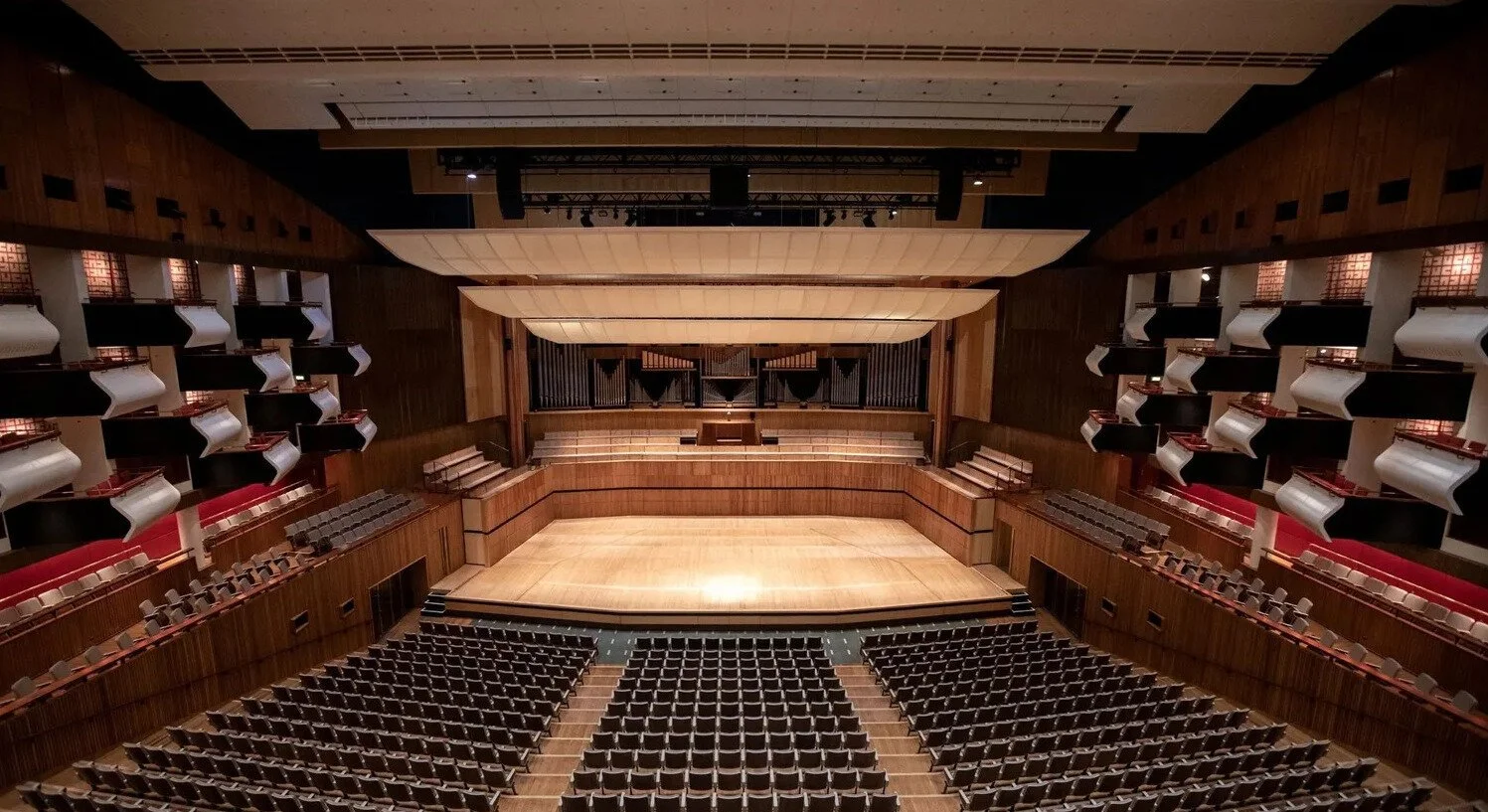
Royal Festival Hall (photo credit: Martha Stone)
Besties, to have a strong and vibrant future, the UK theatre sector must have venues fit for the purpose and a huge challenge in the next 10 years is the crumbling state of the regional theatre stock, with a combination of very old buildings no longer fit for a 21st Century society, and some appalling 1960s and 1970s constructions that are ugly and inefficient (including those falling apart from RACC). It requires a combination of passionate community support, local councils who understand the value of a thriving cultural sector, philanthropic supporters to address the need to invest in this infrastructure and, of course, Government/ACE funding. It is hard to know what it would cost to fix the problem nationwide, but we would guess over £1.5 to £2 billion in the next 10 years.
The case for investment
Two-fifths of theatres are said to be in danger of becoming too unsafe to use within the next five years without "sustainable and systematic investment”, according to a report by the Society of London Theatre (SOLT) and UK Theatre. The survey, which involved 65 SOLT and UK Theatre members from across the UK, also found nearly 40% of respondents feared their business would be unable to continue operating without additional capital investment in the next five years, rising to 45% for theatres outside of London. To maintain current operations, 20% of venues reported needing more than £5m, while every survey respondent said they would require capital investment within the next decade for vital building maintenance or infrastructure.
The economic case for investment is strong with a local economy benefit, which SOLT argue generates a turnover of £4.4 billion per annum, contributes £2.39 billion in GVA, and supports 205,000 workers. For every £1 spent on a theatre ticket, an additional spend of £1.40 is generated in the local economy.
Five main themes to Theatre modernisation:
We consider that there are five themes to this funding requirement:
Transforming foyers and public spaces to improve access, toilet provision, lighting, and bar and hospitality spaces to create a welcoming space at any time of the day and increase spend per head before shows.
Comfort of auditorium and seating to improve access, leg room, seat comfort, and temperature control to improve the overall comfort of audiences.
Improved backstage facilities to improve access for visitors and sets, shower facilities for casts, and practical workspaces.
Practical community spaces to create location for activity to bring people into the theatre to socialise, develop skills or learn and reinforce the linkage with local people.
Embedding sustainability to demonstrate and inspire the community how we can contribute to reducing emissions by good building management systems, energy efficient services, recycling in every aspect of the activity and carbon efficient transport.
The first two should create a direct return on investment to the organisation, the third may indirectly by attracting better production and casts, the fourth tangentially by improving connections with the community, and the fifth is a civic duty which may provide returns over a very long term. The case for investment in fundraising is therefore a complicated one with many organisations competing for the same pots of cash.
A core principle of using public funds is that organisations should be able to demonstrate sustainability over a 5-10 year timeframe and how any public funds will be used to build in that resilience and financial security for the activity.
ACE Creative Foundation Fund
Round One of The ACE Creative Foundation Fund (CFF) delivered £96 million for urgent projects for equipment and buildings with two strands, projects up to £1m and projects £1m - £10m. It was reported that the qualifying RIBA 3 applications totalled over £700m meaning that the fund was oversubscribed around seven times! In the end, they announced that 74 theatres shared the funding for urgent capital projects, although a large chunk would go to some very big institutions.
The Southbank Centre got £10million (nearly 10% of the total) for repairs to the Grade 1 Listed Royal Festival Hall, replacing single glazed windows and ageing flat roofs. As an ACE NPO, they receive £16.9m p.a. for 2023-2026.
The RSC in Stratford upon Avon was awarded £7.3m to support upgrades to the Royal Shakespeare Theatre including a new automation system and infrastructure improvements. They are an important institution with a wonderful outreach programme for schools. As an ACE NPO, they receive £15.3m p.a. for 2023-2026.
Another large beneficiary was the Royal Ballet and Opera with £5million from ACE, having announced a £10milion donation from the Julia Rausing Trust in July 2024 to fund upgrades in its staging and lighting and the stage curtain will be replaced after 25 years. As an ACE NPO, they receive £22.3m p.a. for 2023-2026
£8.5m for the Lowry in Manchester, a wonderful multi-arts venue in the heart of the regenerated Salford Quays, to be used to improve accessibility and upgrading café and retail facilities. It, of course, only opened in April 2000 so remains one of the younger regional venues; many older venues are much more in need of investment. As an ACE NPO, they receive £875k p.a. for 2023-2026.
There was £8.4m for Theatre Royal in Plymouth, which opened in 1982, and has already had a £7m regeneration project in 2013. It will spend the new cash on urgent technical overall of its Lyric Theatre as well as accessibility improvements but have announced a wider fundraise up to £30million over the next few years to ensure long term sustainability. As an ACE NPO, they receive £1.2m p.a. for 2023-2026
£5 million for the Victorian Wolverhampton Arts Centre in the Midlands (only named as such since May 2025) will be used to replace the failing roof and sash windows, to make the building watertight and improve environmental performance as part of its Raise the Roof campaign. It is a generous sum for a non-traditional venue. As an ACE NPO, they receive £251k p.a. for 2023-2026.
The £3m for Birmingham Repertory Company is to support essential roof works including the removal of RAAC and will cover 90% of the capital costs as well as enhancing environmental performance. The work is scheduled for February - October 2027 when the Main House will be closed and a public fundraising will be launched to cover the lost revenues during the closure. The building opened in 1971 and was refurbished in 2022. As an ACE NPO, they receive £1.9m p.a. for 2023-2026.
Wiltshire Creative in Salisbury received £3m towards its project to upgrade facilities at its Playhouse venue, as it celebrates its 50th anniversary. It will form part of a £22million project that will improve accessibility, electrical and water systems and watertight the roof. As an ACE NPO, they receive £1.3m p.a. for 2023-2026
The £2.7m for Scarborough Theatre Trust will allow a full refurbishment of the 165-seat McCarthy Auditorium during the summer of 2027, including its roof and air handling units. The Stephen Joseph Theatre is, of course, the producing house and home of the playwright Sir Alan Ayckbourn. It opened in April 1996 in a converted cinema that is now 90 years old. It is an ACE NPO in 2023-26 receiving £649,000.
The £2.1m for The Hexagon in Reading is to improve seating, upgrade fire doors and accessibility and will be spent alongside the current £13.7m project to decarbonise the heating and build a new Studio. It will celebrate its 50th anniversary in 2027. However, it appears to be leaving its main stage house unchanged, which means it remains difficult to programme for touring musicals and plays despite its 946-seat capacity. As a receiving house, it does not originate productions and although Reading Council does get ACE funding under the NPO programme, that is for museums.
The £1.75m for the Theatre Royal Stratford East will also cover essential building and systems upgrades. It is Victorian building opening in 1884 but established its reputation as the home of Joan Littlewood’s theatre Workshop Company from 1953 to 1979. It is a NPO in the current cycle 2023-26 receiving £1.13m p.a.
These lucky 11 projects share £57million of the total allocation, 58% of the available funds leaving £39m to be shared amongst the 63 venues, an average of £620,000 each. There will be many more venues around the country looking on enviously as they could not get their urgent works to RIBA 3 stage in design to qualify for this round of grants. Ten of them are already in the Arts Council National Portfolio for 2023-26 and that with the ability to pull together a RIBA stage 3 planned application in a short time frame, clearly must have assisted their selection and was a pragmatic approach to the allocation of limited funds against a tsunami of potential requirements.
We don’t see what the places have committed to in terms of timeframe, matched funding, and outcomes and therefore what the expected return is on the investment of these public funds. It can be argued that in the current climate, survival is what it is all about for these places and The Arts Council is best placed to make these difficult judgements of whose need is the greatest. West End Best Friend will follow developments on these projects over the coming years.
Round 2 of ACE CRF
In June, ACE announced Round 2 of the Funding with a total available for 26/27 of £76.8m - an inviting expression of interest for the two strands from 22 June, with a deadline for applications of 22 October, and awards announced by March 2027.
Strand 1: for grants from £100,000, up to and including £1,000,000, covering building projects, equipment purchases, or a combination of both.
Stand 2: for grants above £1,000,000, up to and including £10,000,000, covering building projects or combined building projects and equipment purchases (equipment only projects are not permitted in Strand 2)
Organisations must demonstrate that the investment in buildings and equipment is business-critical to delivering creative or cultural activity, minimising the risk of asset failure and increasing the economic sustainability of the creative and cultural sectors.
All projects must demonstrate:
How the organisation is valued by its community, that the project actively meets the diverse needs of local communities, and that it has been informed by users’ and stakeholders’ input and feedback.
Financial viability because we cannot provide additional capital or revenue funding if the project costs increase or running costs are higher than anticipated.
How the organisation will continue to deliver creative or cultural activity when project complete.
The solution to this huge challenge will require some very creative partnerships between venues, funders, construction teams, local authorities, ACE, and philanthropic funders. West End Best Friend calls on all who love theatre to consider how they can support these campaigns to develop and fund plans to renew our theatre stock.
You can read more about these stories on these longer articles.
Stage Whispers 10- Build them and they will come
Stage Whispers 41- The need for Investment in our Theatre Organisations.
Nick Wayne
Nick has been involved as a Trustee/Director in UK Producer and Venue Organisations for twenty-six years, seen over 1350 productions, visited over 160 of the UK Venues, seen overseas productions in USA, Canada, France, Hungary, Austria, Czech Republic, and Australia and invested in over 40 West End Productions. You can read his long form articles on Stage Whispers UK - Nick Wayne