
Regional Theatre Challenges…
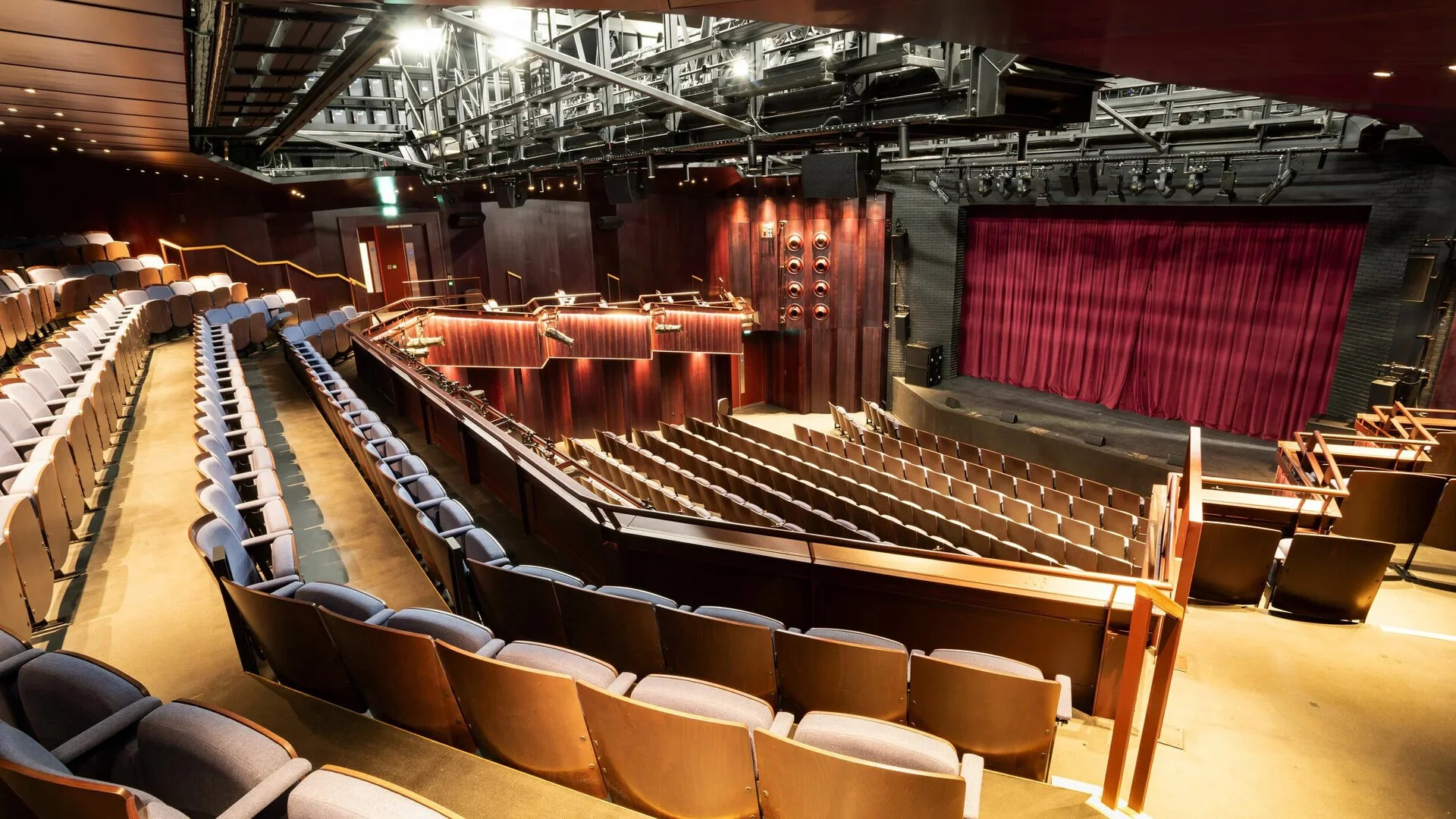
Photo credit: BEAM Hertford
In June, it was announced that Hertford's new BEAM Theatre & Cinema lost almost £1m over the last financial year. A revised business plan produced in 2024 forecast a loss of £200k. It explained that a combination of factors have led to the losses including increased competition from streaming services, rising costs across the theatre, cinema and hospitality sectors, and the challenges of launching a new venue. The report stated that the council underestimated how long it would take to build audiences and attract the larger productions that come with an established venue, but the Theatre’s Director is still confident that the venue will eventually provide a surplus back to the Council. In a single example, the story captures the challenges facing midscale regional venues.
There are huge cost pressures on local theatres, driven by massively increased utility bills, increased national insurance and higher minimum wages. They operate in buildings that have been under invested in over recent decades and seek to serve audiences that are themselves under financial pressure and may need to cut back on their own discretionary spends. The Local Authorities who, in the past, may have operated or subsidised these venues are themselves struggling to balance the books, and the non-statutory funding of local theatre may be an easy target for authorities that don’t recognise the economic and social benefit to their citizens of a thriving cultural hub.
Many depend on Arts Council of England (ACE) grants as a National Portfolio Organisation or for specific projects, but ACE themselves find their budget allocations under threat just as the sector requirement, especially for capital projects, grows. ACE included 990 venues in its National Portfolio Organisations (NPO) for the period from 2023 - 2026, sharing £446million each year. Just nine organisations received over £4m a year under the NPO’s system, including Birmingham Royal Ballet (£7.8m), English National Ballet (£6m), Manchester International Festival (£9.9m), National Theatre (£16.2m), Opera North (£10.7m), Royal Opera House (£22.3m), RSC (£15.3m), Southbank Centre (£16.8m), and Welsh National Opera (£4m), totalling £93.7m, 21% of the overall total. This means that the average grant to the other 981 organisations was £360,000.
The Regional Theatre Model
There is a fundamental difference between producing in West End and running a regional theatre. The West End operates on model of a producer hiring a venue for the run by agreeing to a rental fee and to paying the contra (the direct costs of opening the theatre for a performance). The financial risk for the productions sits firmly with the producer and their financial backers. If the ticket sales don’t take off (hitting over 75% of the capacity these days), the producer will incur losses, fail to recoup pre-opening production costs, and may ask for a rental waiver. The venue may accept as the alternative is closure and a period dark with no income.
The regional model is very different, with venues either producing in house or receiving touring shows for one night or longer. In house takes the risks of both the producer and the venue operator but retains the income subject to creative royalties. A received production on tour will be subject to either a revenue guarantee that the venue must pay regardless of Box Office Income, or agreeing a split with the producer, usually the majority share of the Box Office. Either way, the venue only gets a contribution towards its operating costs if the Box office is large enough to cover the guarantee or the show sells very well.
Many larger venues like the Mayflower Theatre in Southampton or ATG venues around the country have such large capacities and strong audience databases that they are “must visit” theatres for touring producers. The smaller venues with audience capacity of less than, say, 600 seats will struggle to attract big tours due to physical limitations of the stage, or the inability to satisfy the producers financial expectations . These regional playhouses are increasingly co-producing for short regional tours, supported by Theatre Tax Relief (which the last government increased, and which currently underpins most regional producing). The communities around these venues are very fortunate to have the opportunity to see new work or classic revivals in these venues such as Theatre Royal Bath, Salisbury Playhouse, Watermill Newbury, Theatr Clywd in North Wales, New Wolsey Ipswich, Mercury Colchester, Nottingham Playhouse, Bristol Old Vic, Cheltenham Everyman, The Barn in Cirencester, Chichester Festival Theatre, and Leicester’s Curve.
Organisation Structure
Most West End venues are owned and operated by commercial profit seeking organisations, but the regional venues operate on a range of different models. While many were owned by local authorities who bore the financial risks, many have now transferred to charitable organisations formed for the purpose or leased to commercial operators with ongoing financial arrangements (could be a profit share or a subsidy). The charitable model allows access to many supportive trusts and foundations as well as gift aid on donations. The commercial operator model allows shared infrastructure and programming skills that can make individual venues more sustainable as part of a wider group. Some are fortunate to have been given National Portfolio Organisation status by ACE which provides secure income for each funding cycle but a host of reporting and activities obligations that the venue must meet. Sometimes freed from these obligations, a well-run venue can thrive without the guaranteed funding.
Why does Regional Theatre matter?
Many will enjoy their first theatre experience at the annual family outing to the Christmas Pantomime and that will hopefully inspire a lifelong passion for theatre. Some will go on to join the local community outreach programme to develop new life skills and learn about theatre making, and some of them may go on to drama school to train and forge a career as a performer, creative or stage manager. Even if they develop a career elsewhere, they will hopefully retain an interest in theatre as an audience member of an organisation, or a volunteer front of house. Some may become production sponsors, philanthropic donors or even funding Angels. These relationships are essential to sustain regional theatre but also to feed the West End audiences. We need a strong regional theatre sector to support creativity, innovation, and audience development.
Attracting Young People to Theatre
Most regular theatregoers were introduced to live theatre as children and enjoyed the shared experience and excitement of watching a live performance with family or friends, or had enjoyed drama or theatre trips at school. Many of us caught the “theatre bug” while at school and it shaped our lives and use of our leisure time. As schools reduce the curriculum time for drama or find the logistics or costs of organised theatre trips prohibitive, it becomes vital that theatre reaches out to their local young people to bring them into the venue. The Chichester Festival Theatre Prologue scheme offers 16-30 year olds tickets for just £5 and is a wonderful promotion. But for smaller venues, these tickets need to be funded by philanthropic donations or grants from foundations as the opportunity cost of the lost full price income undermines the venue economics.
Outreach programmes taking theatre to schools or bringing children into the venue like the wonderful Summer Youth Projects at places like Southend Palace Theatre or Wycombe Swan are vital to engage young people. The extraordinary Stage 65 programme at Salisbury Playhouse celebrated 60 years last year with an inspiring production of The Jungle Book, with 120 young people on stage. The life skills, teamwork and confidence building of these programmes is vital to children living their lives with a phone in hand and worrying about their mental health.
Get Involved in your Local Theatre
If you share our passion for live theatre, we urge you to consider how you can help sustain the sector with your time, energy, or money. There are so many ways to get involved in supporting your local theatre depending how much you have to give.
Buy a ticket for several shows in the year … not just the annual pantomime.
Join a membership scheme to enjoy discounted tickets, reduced booking fees and exclusive events.
Donate to fund subsidised tickets for young people and develop diverse audiences.
Support Capital Project fundraising schemes.
Volunteer to work Front of House.
Hire the venue for business or family celebrations.
Contribute to the funding of a production as a sponsor or member of a production circle, and gain extra insights into the production process.
Become a Funding Angel for a production. This is high risk, and you should be prepared to lose some or all your money but many recoup and repay funding and some pay a profit share.
Become a Trustee and give your expertise to guide the organisation, especially if you have legal, financial, marketing , IT, or fundraising skills.
Leave a legacy in your will, especially if the venue is part of a charitable organisation.
There are many demands on all of us for any spare cash we may have but we believe that supporting regional theatre is one of the most rewarding ways of giving where you see the direct connection between your donation and impacting local people’s lives. Even a small amount could fund a free ticket for pantomime or a place on an outreach project and give that person a rewarding experience and perhaps a lifelong passion.
Besties, we hope you will continue to SUPPORT YOUR LOCAL THEATRE.
Nick Wayne
Nick has been involved as a Trustee/Director in UK Producer and Venue Organisations for twenty-six years, seen over 1350 productions, visited over 160 of the UK Venues, seen overseas productions in USA, Canada, France, Hungary, Austria, Czech Republic, and Australia and invested in over 40 West End Productions. You can read his long form articles on Stage Whispers UK - Nick Wayne