
Interview: Jeremy Chernick on designing special effects on BEETLEJUICE THE MUSICAL
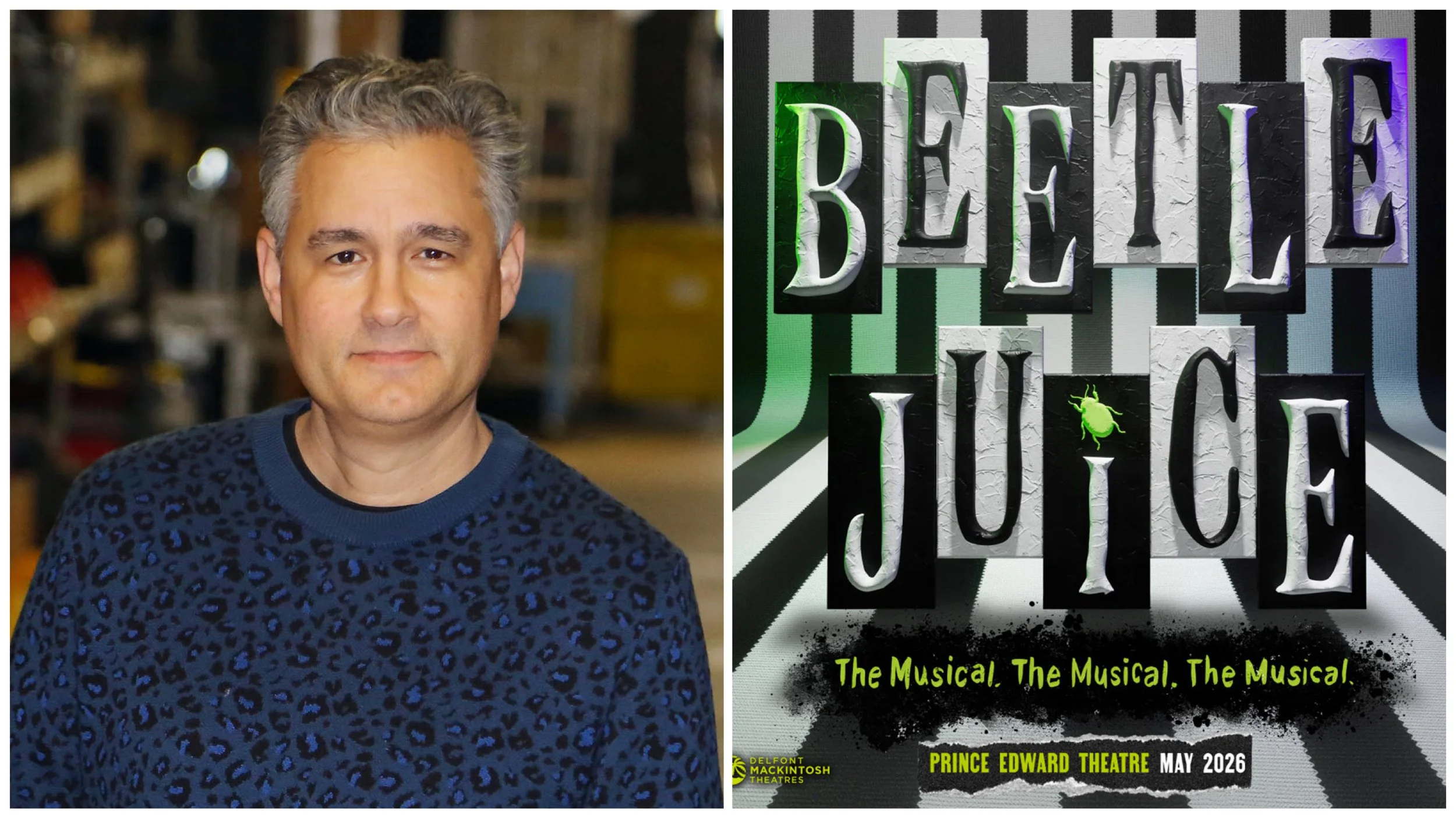
Beetlejuice The Musical (described as a “feast for the eyes and soul” (Entertainment Weekly) and “screamingly good fun” (Variety)) made its West End debut on 20 May at London’s Prince Edward Theatre.
With 30+ years of experience , including SFX for the Broadway runs of Aladdin, Frozen, Beauty and the Beast, and Tarzan, we spoke to SFX designer Jeremy Chernick about his work on Beetlejuice the Musical and his fully integrated, storytelling‑driven approach to special effects.
Beetlejuice is finally playing in the West End! Why does now feel like the right time for the show to be staged in the UK?
I’ve hoped the show would open in the UK for years. Many of the shows I’ve worked on have either been produced originally in the UK or have moved from the US to the UK. I’ve always thought West End audiences would die for Beetlejuice. Beetlejuice himself best explains why it’s taken so long to get to the West End: "Time moves differently when you're dead, but BOY does it move.” Now is our time for this irreverent and wondrous show built on well crafted theater spectacle and outrageous naughty fun.
How did you first approach designing the SFX for Beetlejuice, a musical adaptation of such an iconic film?
I always start with a script and, in this case, the source material. This specific show pushed my work in really exciting directions. It’s a musical full of one liners and gags inside an ever changing haunted house set to musical numbers. So I broke down the show and thought of ways to support the jokes, create atmosphere, honor Tim Burton's original characters and environment, and hit those musical buttons. I tend to do R&D workshops and then invite the creative team to see the ideas I’ve come up with. We then all work together to figure out what works and doesn't.
How do you ensure your work aligns with the work of other design and technical departments?
This creative team worked collaboratively to ensure that we were in sync. The direction of the show also demands a lot of synergy so every element feels cohesive and streamlined. A great example is the smoking Tracheotomy effect. This effect involved closely working with our costume and wardrobe teams to hide a tiny fogger and tubes inside the costume in a way that was both functional and comfortable for the performer. But the most vital collaboration was with the performer. They needed to pretend to smoke a cigarette, and then push a hidden button at exactly the right moment so smoke would emerge from their neck and nail the comedic timing. Collaboration is everything.
Do you have a particular favourite effect that you've worked on for Beetlejuice?
I have a few, but my favorite is the sad smoke bomb. It’s rare that a special effect gets to be an actual punch line, but Director Alex Timbers found a way and this is an absolute dream. Beetlejuice attempts a dramatic exit and my effect is purposely underwhelming which sets up even more jokes.
Your job is so unique - how did you get into this line of work?
Like many others, I started out during university where I would do any job anyone asked me to do backstage and onstage. When I graduated, my two best friends and I founded a small theater company. The company was ours to do whatever we dreamed of, and so we spent a few years experimenting in theater. It was there that I first started doing some more unique design work and had the freedom to fail. It was after that period that I began to work as both a prop maker and designer and also jumped into as many types of entertainment as I could. It was through all that learning and working with others that I found myself being asked to create an effect for Tarzan the Musical in 2006. I’ve had the privilege to continue this creative job ever since.
Having worked on so many productions around the world, what has been the highlight of your career to date?
I have so many projects I have loved. Sometimes it’s a particular effect that I find challenging and rewarding, sometimes it’s the people I get to work with that make the project exciting. I have worked on a lot of Disney musicals and that work has been incredible and allowed me to learn and grow. There’s nothing like Disney Magic to up the stakes for someone like me. In the UK, my first production was Let The Right One In with the National Theater of Scotland which then moved to the West End. That show had some of the most surprising and beautiful effects I’ve been asked to deliver and is still shown sporadically around the world.
Whilst we're seeing more theatre shows making heavy usage of projections, how important are practical visual effects for telling stories on stage?
I’ve been challenged and had to learn a whole new way of working in collaboration with projections. My measure of success is to create a complete illusion with the projections so that the line between what’s a real effect and what is projection is blurred. On Frozen the Musical at Drury Lane, I worked with the projection designer and lighting designers to carefully light actual snow falling around the stage, but simultaneously the projection team was delivering a massive snow storm. Seeing both the physically real snow and then projected snow became this wonderful blur that I strive to accomplish on every show.
