
Regional Theatre Models…
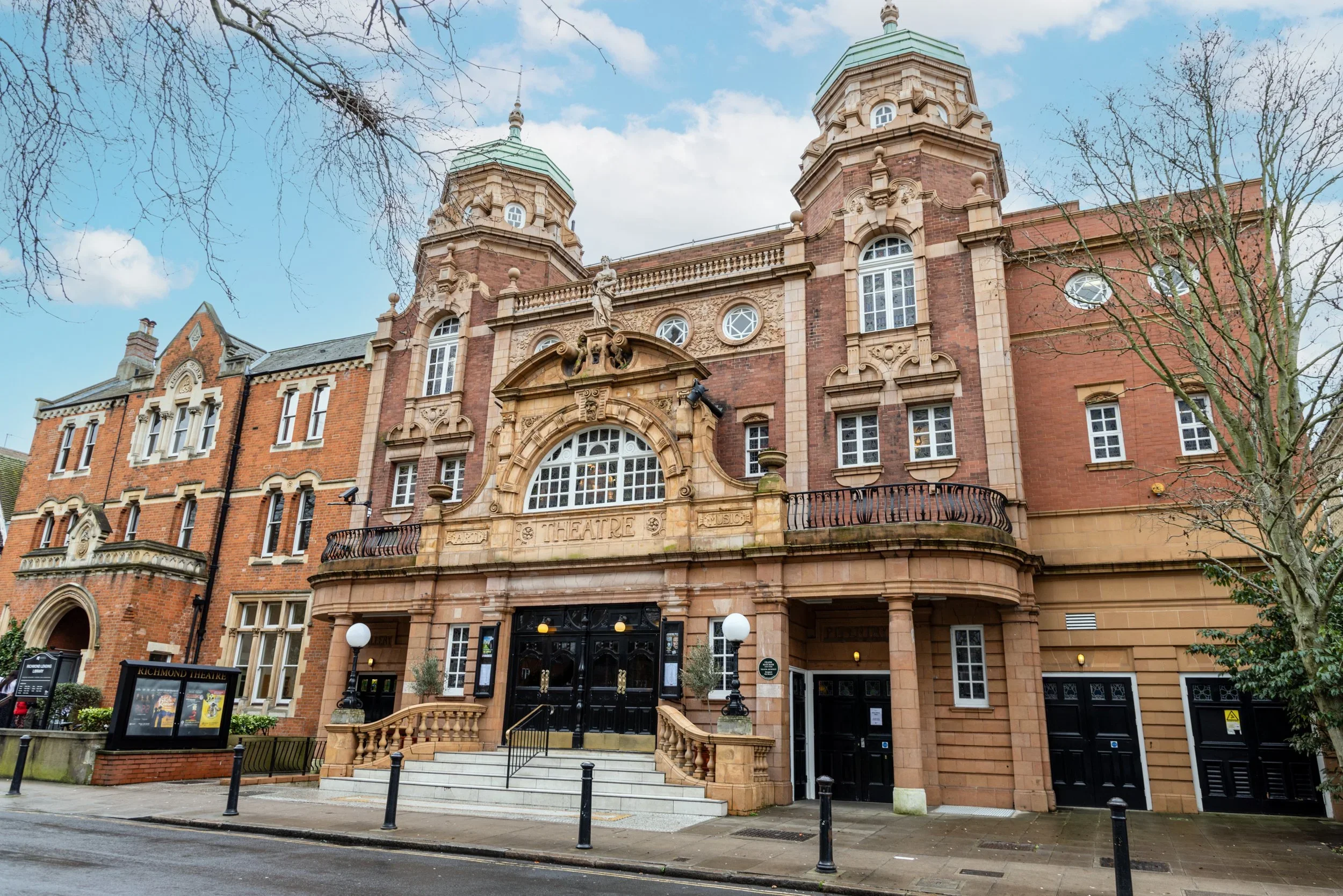
Photo credit: Vicki Sharp
In the Regional Theatre Challenges article, we discussed the different regional theatre models and organisation structures, and the importance of these venues to their local community and economy, as well as their role in developing audiences and talent for the Future of Theatre in the UK. In this article, we examine some of the venues we have highlighted over recent years as examples of these models.
Regional Commercial Theatre:
These are examples of venues operated on a commercial basis without Arts Council support and largely dependent for their success in attracting decent quality productions to present to their audiences. The challenge is attracting the right product for the size of the auditorium and the economics of running the venue.
Theatre Royal Windsor
The current Edwardian Theatre opened on 13 December 1910 after a fire had destroyed the first theatre on the site (some of which was incorporated into the second building). There have been three distinctive periods of operation in the years since. Sir William and Captain Reginald Shipley were the original owners of the, then, 850-seat venue, although 380 of those were in the Gallery but the emergence of cinema and the ‘talkies’ threatened its continuation as a theatre in the late twenties and early thirties of the last century. The second distinctive era was under the management of John Counsell and his wife Mary Kerridge who first took over in 1933 and continued to programme and run it as a family until 1986, just before his death.
The third era began in 1997, when Bill Kenwright acquired a long lease from the Royal Borough of Windsor and Maidenhead, and included the venue in his plans for touring productions. His companies have produced over 500 productions for stage and film, with huge hits like Blood Brothers set in his beloved Liverpool, which continues to move audiences after over forty years. The theatre is now run by husband-and-wife team, Anne-Marie and Jon Woodley who met at the venue and took over the day-to-day operations in 2019. Since his passing, Bill’s partner, actress Jenny Seagrove, has taken on the Chair of his companies. Thus, together they are sustaining the unique sense of family continuity that has dominated the successful periods of this historic venue and despite being one of the few venues in the UK operating without subsidy, working hard to attract audiences and deliver on the legacy of one of the most influential drama producers of the last fifty years. Spotlight on: THEATRE ROYAL WINDSOR | West End Best Friend
Richmond Theatre
Located on Little Green, FC Mouflet commissioned the acclaimed architect Frank Matcham to design and build the current building in 1898. It took twelve months to build at a cost of £30,000, opened on 18 September 1889 with a production of As You Like It, and now is a Grade II listed building. It has an impressive facade in red brick and terracotta with distinctive twin towers with copulas that used to hold the theatre’s water tanks. When it opened, it seated over 1,220 people. The modern-day capacity is 850 seats. The first pantomime was Puss In Boots in 1899. The pantomime for 1982/3 was Cinderella and this proved to be the longest run in the history of Richmond Theatre, from 18 December 1982 - 26 February 1983. It is operated as a commercial receiving house by ATG. SPOTLIGHT ON... Richmond Theatre | West End Best Friend
Fareham Live
Fareham Live officially opened its new doors on 28 September 2024 after a £16.7 million and a 4-year makeover, which has reimagined the building as a modern multi-purpose cultural venue. The old Ferneham Hall closed its doors in January 2020, but the COVID-19 pandemic forced the Council to put the project on hold for 10 months before finally starting in August 2022. The new venue, built within the footprint of the old, is a new state-of-the-art entertainment venue boasting an 800-seat concert hall and 120-seat studio space. The new operators of the venue are Trafalgar Theatres, and they plan to programme the usual regional mix of one nighters, comic and music tribute shows, but also to establish it on the regular weekly touring circuit.
Fareham Live is a shining example of what can be achieved when a council understands and supports the economic and social benefits that a vibrant arts centre can bring to the heart of a community. Spotlight on... FAREHAM LIVE | West End Best Friend
Bradford Live
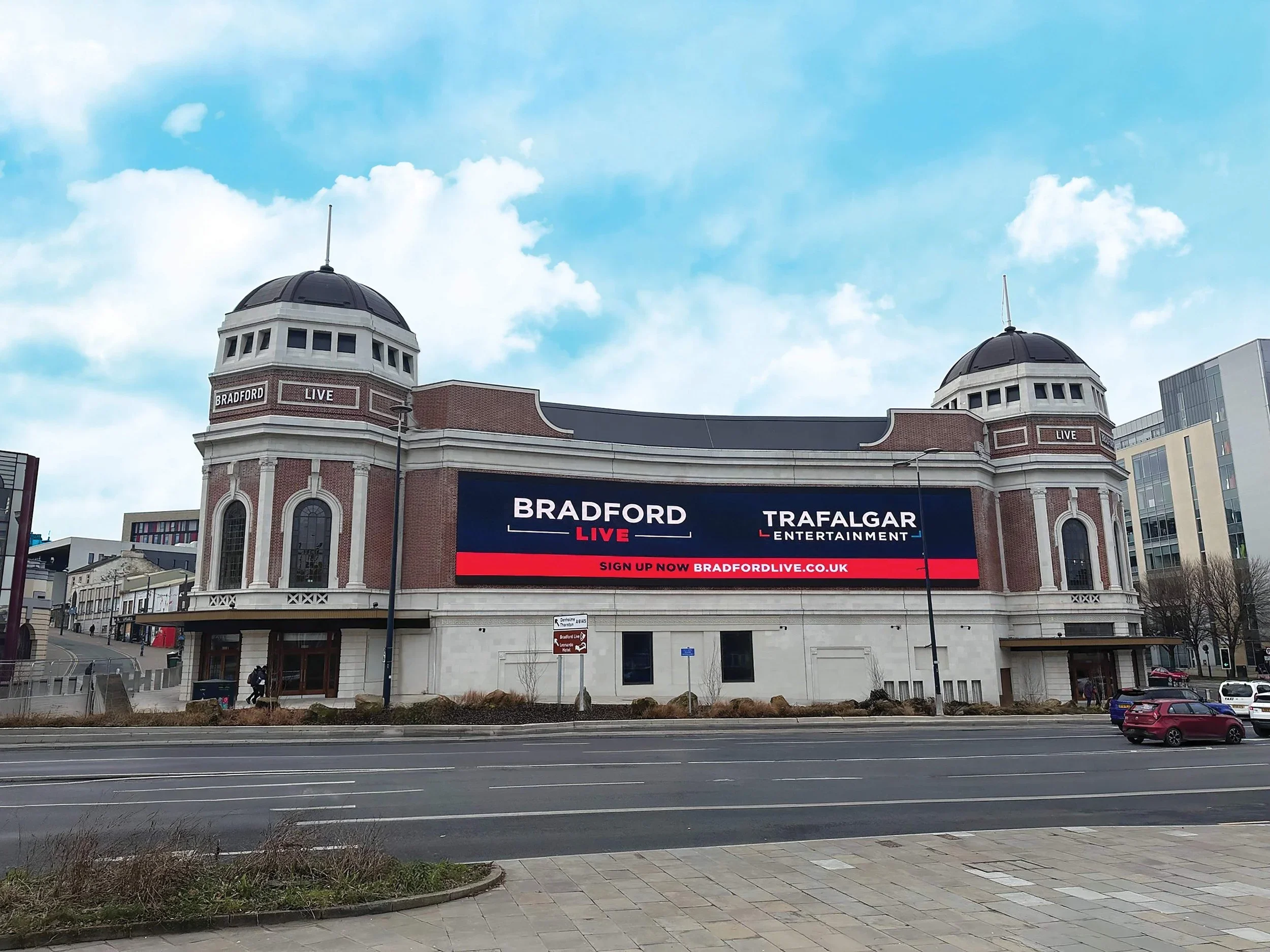
Photo credit: Trafalgar Entertainment
The Bradford Odeon was the third biggest cinema in the country when it was built in 1930 and the first to be purpose-built for the ‘talkies’. It was a 3,318-seater art deco cine-variety theatre, which became known as the Gaumont in the 1950s. In 1968, it was subdivided into a multiscreen cinema and then abandoned and closed in 2000. After it closed in 2000, plans were drawn up to demolish the building and redevelop it as a hotel, offices, and apartments. This generated local opposition, culminating in a thousand people taking part in the July 2007 protest event. The redevelopment plans were killed off, with Bradford Council buying the building back from redevelopment agency, Yorkshire Forward, for £1.
August 2025 saw the official opening of the huge, refurbished venue in Bradford, now known as Bradford Live. This long-awaited reopening is a great tribute to Bradford Council and the local community who campaigned to save the venue for so many years. It can now accommodate 3,000 people seated or 3,500 standing in a vast auditorium that will fill the gap for a medium-sized live music and events venue located between Leeds and Manchester. Spotlight on... BRADFORD LIVE | West End Best Friend
Regional Producing Houses:
These venues are some of the most important in the UK theatre eco-structure, particularly producing new plays for regional tours and, if successful, West End transfers and delivering a very successful annual pantomime or Christmas show.
Nottingham Playhouse
When a venue gets recognised as the UK Theatre’s Most Welcoming Theatre in 2023, following on from its pre-covid recognition by The Stage as Regional Theatre of The Year in 2019, it must be doing something right in programming the theatre for its local community. The Grade II* listed venue is currently under the leadership of Stephanie Sirr MBE as Chief Executive and Adam Penford as Artistic Director, running a regional playhouse which acts as a producer as well as a receiving house with a 750-seat Main House and a 100-seat Neville Studio. The building situated near to the picturesque Wellington Circus was designed by Peter Moro, the co-architect of the Festival Hall and opened in 1963. Despite the modern external appearance and the circular auditorium walls, the theatre has a proscenium layout. Since 1996, it has been a Grade II* listed building and in 2004, the theatre was sympathetically restored and refurbished with a grant from the Heritage Lottery Fund. The current charitable operator of the venue was incorporated on 7 March 2005 as Nottingham Playhouse Trust Limited and started to trade on 1 July 2005. Its mission is stated as “Nottingham Playhouse: we make bold and thrilling theatre. It is world class, made in Nottingham and as diverse as our community.”
Nottingham Playhouse is a shining example of a successful regional theatre with its careful mix between own productions, received productions and community activity, supported by ACE and a handful of key sponsors, and benefiting from the investment in the infrastructure in the last decade. It demonstrates how the delicate balance of regional theatre ecology can be achieved. Spotlight on...NOTTINGHAM PLAYHOUSE | West End Best Friend
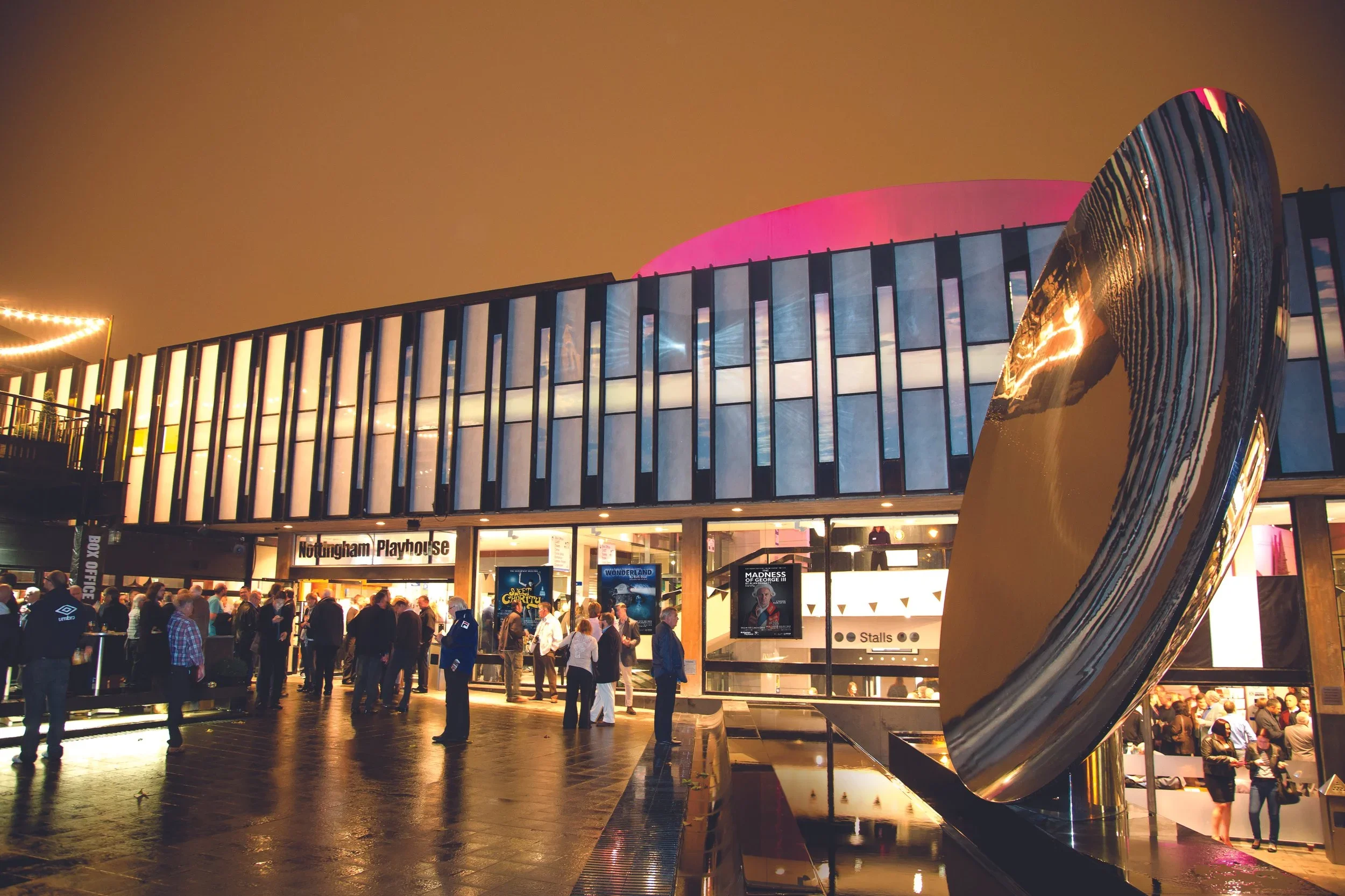
Photo credit: David Baird
The Watermill, Newbury
In two of the last three years, the Watermill Theatre in Newbury was announced as the winner of The Stage’s Theatre of the Year Award and is a ringing endorsement of the way the venue has responded since losing its Arts Council of England National Portfolio status in November 2022, leaving a gap of approximately £450,000 of annual funding to fill. Not only have they gone on to produce a remarkable slate of successful shows each year, many of which have gone on to tour to other venues, like Calamity Jane, Fanny, and Barnum, grown audiences and replaced the lost income but also continued to deliver against its charitable objectives. The Watermill’s mission is to promote, maintain, improve, and advance education, particularly by the production of educational plays and the encouragement of the arts. Its core values are Inclusivity and Equity, Creativity, Sustainability, and Community.
The summer musicals have established themselves as one of the must-see summer events, with Lord of The Rings being followed by Barnum and Jesus Christ Superstar, and this summer, Chitty Chitty Bang Bang winning five-star reviews and filling the 200-seat venue with delighted audiences. Each show memorably spills out onto the back lawn for one delightful immersive scene. It has become a creative powerhouse defying expectations for what is possible for a small venue and building a national and international reputation for production excellence while sustaining its important outreach and youth development work. Spotlight on… Creating BSL integrated performances at the WATERMILL THEATRE | West End Best Friend
The Mill at Sonning
The Mill at Sonning is a very special unique venue on the banks of the River Thames in Berkshire which has served its audiences with a traditional two course buffet dinner before the show for 42 years. The site was a flour mill that served Huntley and Palmer biscuit factory in nearby Reading until its conversion into a restaurant and 217-seat theatre from 1977 by Sally’s parents, Tim and Eileen Richards, opening for business in July 1982.
The management of the place is very much a family affair, with Artistic Director Sally Hughes and her son, Adam Rolston, running the venue today. In 2018, they undertook a complete renovation of the two-storey restaurant giving the place a more elegant brighter feel, responding to a sense that audiences wanted something more upmarket and appealing. They changed all of the restaurant furniture and imagery, and switched to a table service of the meal. It creates a modern ambience with first class service from the well-dressed young team of servers. They hope it will attract additional new audiences from a younger demographic and tap into the large local corporate entertaining sector who can be offered a private area in the restaurant. They have now introduced cheaper, show only tickets.
It won the UK Theatre Award for the UK’s Most Welcoming Theatre for three years running (2016-2018) and won Best Musical Award in 2023 for its gorgeous production of Gypsy. It produces all its own shows. Spotlight on... THE MILL AT SONNING | West End Best Friend
Curve, Leicester
The theatre was opened on 11 November 2008 by Her Majesty The Queen Elizabeth II and stands in the centre of what the City Council calls the new "Cultural Quarter" on Rutland Street in Leicester. It features two auditoria, one with 970-seats (referred to as the Theatre) while a 320-seat auditorium (the Studio) provides a smaller space with its own power flying system. The Theatre, Studio and their stages can also be opened up to create one large space with a capacity of 1,300. Unlike any other theatre in the UK, they have no traditional backstage area. Audiences can enjoy the full theatre making process, a peek behind the scenes and maybe even spot an actor or two dashing from the stage to their dressing room or enjoying a coffee in the Café.
Curve is run by the Leicester Theatre Trust (LTT), an independent charitable organisation, and it is a regularly funded client of Arts Council England (ACE), receiving annual revenue funding from Leicester City Council. Chris Stafford, the CEO, knows the importance of the Arts Council NPO status in the success of the “Made at Curve” productions where core overheads are covered, enabling more risk to be taken in the production budget and a good range in pricing from £10 to £70 a seat. Spotlight on...CURVE, LEICESTER | West End Best Friend
Regional National Portfolio Organisations:
The Arts Council National Portfolio includes a wide range of organisations from the huge national institutions to small local community organisations and everything in between as they seek to bring theatre to everyone, everywhere. These examples are receiving houses, which produces some work themselves and have strong outreach activity.
Hall for Cornwall
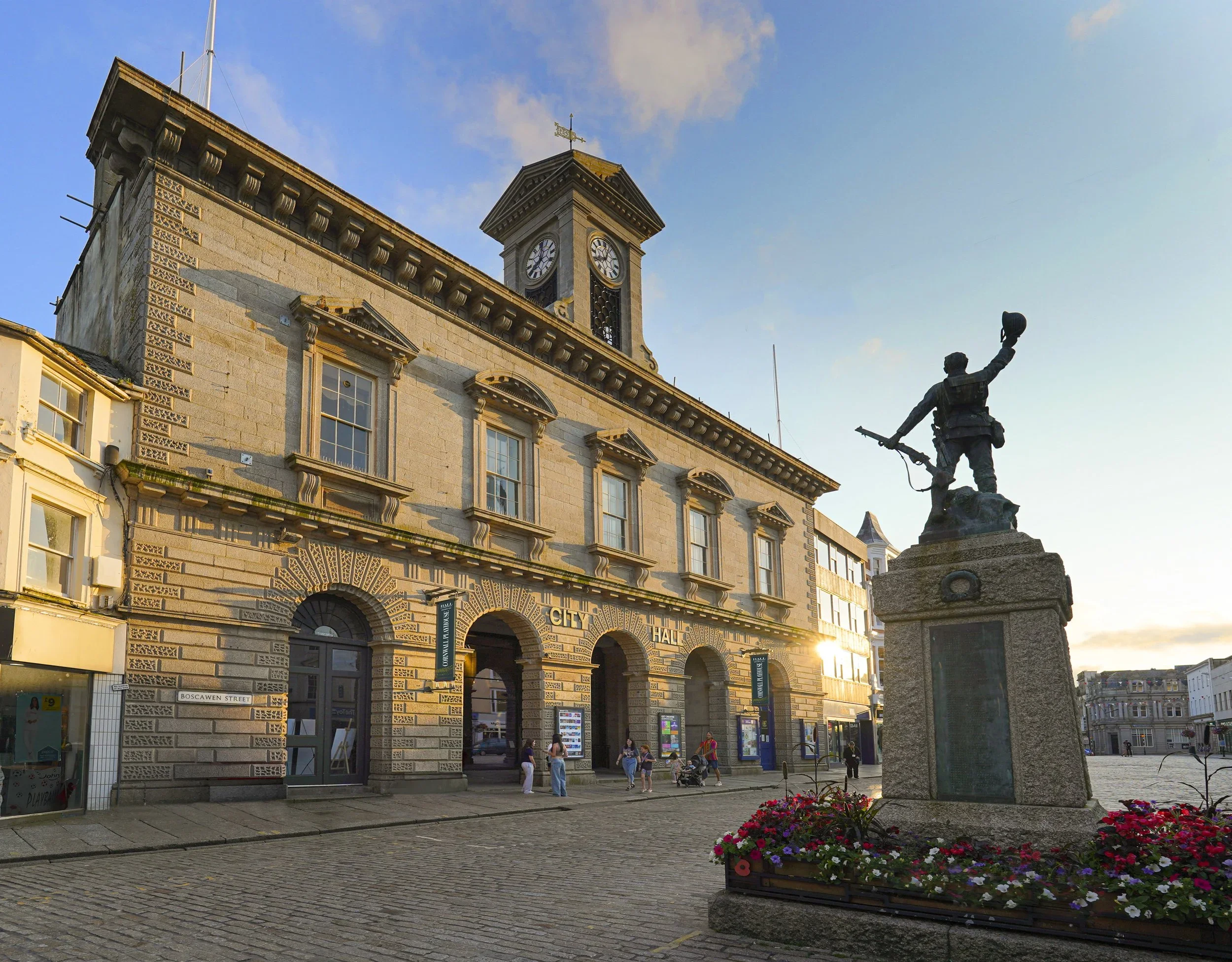
Photo credit: Hugh Hastings
The City Hall has entertained Truro for over 170 years with its uses as a market, jail, police station, fire station, court and ice-skating rink but after a major refurbishment in the mid-1990s, the former market hall at the rear of the complex re-opened as Hall for Cornwall on 15 November 1997. It had previously staged performances in the building which was known as the Regent Theatre, Regent Cinema, and the City Hall. It is now a Grade II* listed building. A major £29m programme of refurbishment works, designed by Burrell Foley Fischer, began in June 2018. The project involved a completely new auditorium now known as The Cornwall Playhouse, located in the centre of the complex, increasing the capacity of the venue from 965 seats to 1,354 seats. A casual café restaurant has been opened in the Back Quay building which is open throughout the day, while the stunning new Playhouse Bar sits on the other side of the building, complete with an ancient market stone on show and the kind of grand entrance befitting a City Hall. The change from a community venue into a key part of the regional touring network is wonderful. The Hall for Cornwall Limited charity welcomes over 250,000 visitors each year and is part the Arts Council of England NPO.
It is wonderful transformation for a venue which is 280 miles west of the West End of London and is now attracting top touring shows to one of the most westerly points of Britain. Spotlight on... HALL FOR CORNWALL | West End Best Friend
New Wolsey Ipswich
The New Wolsey Theatre, Ipswich is now on the third era of its short life with the appointment of Douglas Rintoul as Chief Executive and Artistic Director in June 2022. For the previous 22 years, husband and wife team, Sarah Holmes and Peter Rowe, ran the venue as CEO and Artistic Director respectively, helping to create one of the country’s most successful regional theatres. The theatre first opened in 1979, but the operating company closed it in 1999 and was dissolved. In 2001, the theatre reopened and is owned and operated by the New Wolsey Theatre Company. The New Wolsey Theatre Company is a registered charity with a stated mission of presenting high quality, diverse and accessible work, and operates on a not-for-profit basis. It now is a producing regional theatre, with a seating capacity of 400 and a café & bar.
The substantial grant from the venue’s NPO status of £953k, and the continued support from Ipswich Borough Council, is critical to their financial stability. In the last year, they sold 77,500 tickets (around 30,000 for the pantomime), welcomed 20% new visitors to the theatre, continued to serve around 7,000 students, and have around 5,000 participations for their Creative Communities programme. They are a receiving house with own co-productions and own pantomime. Spotlight on... NEW WOLSEY THEATRE IPSWICH | West End Best Friend
Wiltshire Creative
Wiltshire Creative was formed in February 2018 bringing together the Salisbury Arts Centre, the International Arts Festival, and the Salisbury Playhouse in a logical move to create a more engaged, financially sustainable organisation, able to serve its local community. Its mission is to enrich the cultural life of Salisbury and Wiltshire and to achieve that, it needs the support of The Arts Council of England and Wales, local authorities and sponsors, artistes and creatives, and the local audiences.
Salisbury Playhouse was built in 1976. It comprises the 517-seat Main House and the 149-seat Salberg Studio, a rehearsal room, a daytime café, and a community and education space. It is part of Arts Council England's National Portfolio Organisations and also receives regular funding from Wiltshire Council and Salisbury City Council. In 2025, they put on over 350 shows and events with customers buying over 91.000 tickets, with over 24,200 tickets for their in -house produced pantomime.
Salisbury Arts Centre is a beautiful, deconsecrated church, which is home to a vast performance space, a selection of meeting rooms and a studio. It stages visual arts exhibitions. The Salisbury International Arts Festival enlivens the city with a vibrant arts programme every summer and resumed post covid in 2022 after a break of two years, with three weeks of 100 events across 23 venues. Spotlight on… Regional Theatre - Salisbury Playhouse | West End Best Friend
Independent Charitable Trusts:
Not every organisation chooses or is successful in being an ACE National Portfolio Organisation and therefore relies on its audiences, local council, trusts, foundations, and philanthropy to support its operation, using charitable status to assist their case.
Arts Theatre, Cambridge
The Arts Theatre in the centre of Cambridge was devised under a plan by John Maynard Keynes, the celebrated economist and founding member of the Arts Council, and opened on 3 February 1936 with a gala performance by the Vic-Wells Ballet. In 1959, Sir Ian McKellan first performed at Cambridge Arts Theatre as an undergraduate in Henry IV. The University Footlights continues to present its work at the venue each year.
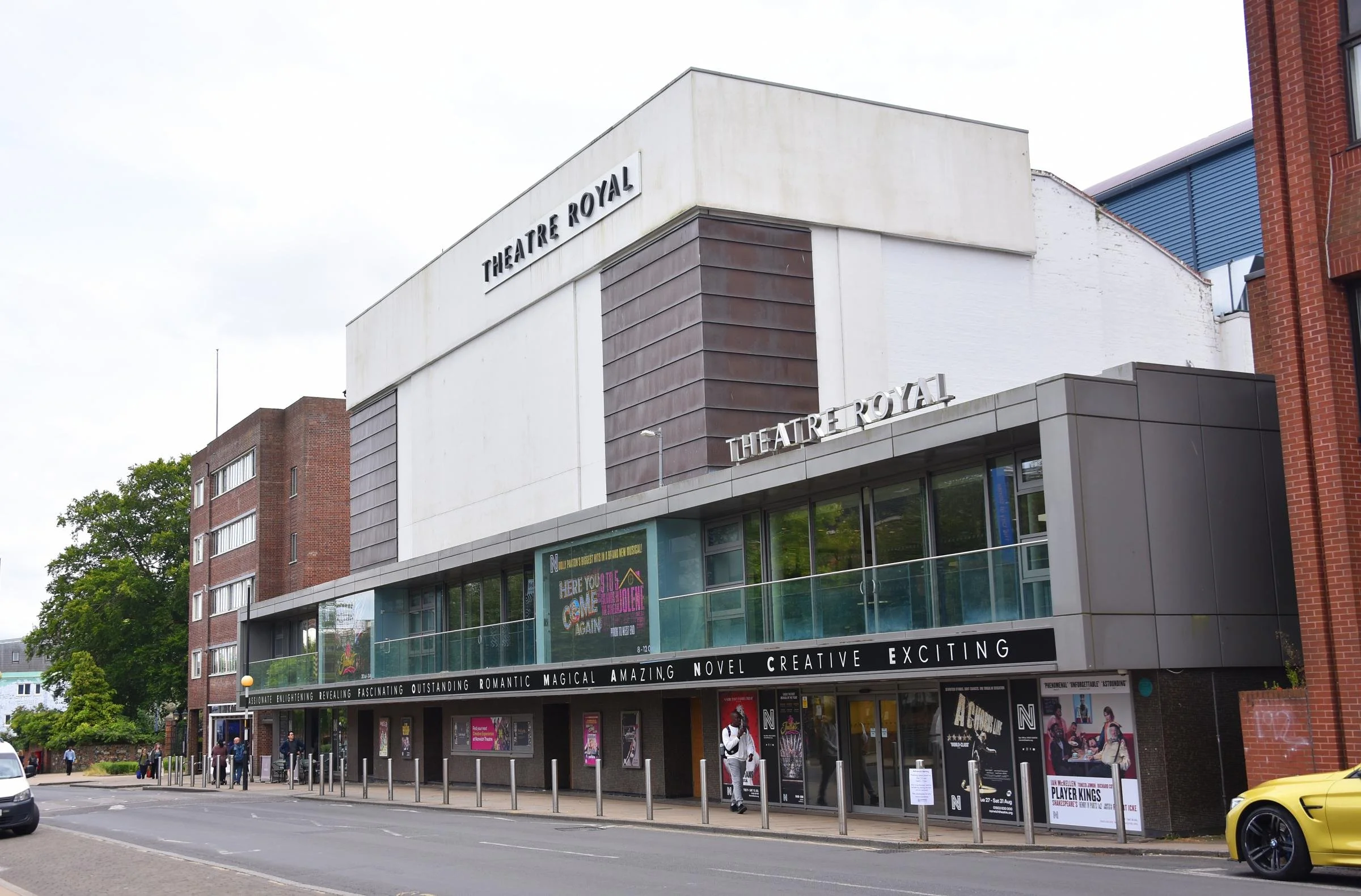
Photo credit: Denise Bradley
Cambridge Arts Theatre is managed by The Cambridge Arts Theatre Trust Limited, a registered charity in England. The accounts for the year to 31 March 2024 showed turnover of £5.4million, with £4.6million from admission fees for performances. The annual pantomime generates a substantial percentage of annual income and remains a critical element of the theatre’s sustainability. Its recent renovations were funded largely by Lord David and Dame Susie Sainsbury via the Gatsby Charitable Foundation. Spotlight on... CAMBRIDGE ARTS THEATRE | West End Best Friend
Theatre Royal Norwich
Founded in 1758 and granted the Theatre Royal title in 1768, several buildings have stood on the site. It was rebuilt in 1800 and 1826 and then closed in 1894 for several months in order to carry out a scheme of reconstruction and redecoration from the designs of Frank Matcham with a new entrance foyer and staircase, the removal of Dress Circle box dividers and introduction of electric lighting. This building was destroyed by a fire in 1934 and rebuilt before being bombed during World War II.
The venue survived the post-war era by showing films, staging wrestling matches and through the swinging 60s by putting on rock ‘n’ roll one-nighters, along with regular shows. The theatre was threatened with closure in 1972, and the City Council gathered a rescue package to create The Theatre Royal (Norwich) Trust Limited, which continues to operate the venue today with a main stage seating of 1,308 and two Studio spaces seating 300 and 120. The Trust is an independent charity and receives no public subsidy from the Arts Council or other revenue funding. Instead, it generates its own income through its share of ticket sales, plus commercial activities, and fundraising. Spotlight on...NORWICH THEATRE ROYAL | West End Best Friend
Regional Multi-Arts Centres:
Another model is for those venues that seek to offer something for everyone to their local community, with live theatre, music, cinema, and a meeting place for local organisations playing a valuable role in the local cultural community.
Poole Lighthouse
Poole Arts Centre originally opened in April 1978 and now lays claim to being the largest Arts Centre in England outside of London, and therefore provides an extensive range of facilities to serve its local communities. The building includes a 669-seat theatre, a modern 103-seat cinema, 1,500-seat symphonic concert hall, a 130-seat studio, a large gallery for photography and art, a cafe/bistro, three bars and four function rooms. The concert hall is home to Bournemouth Symphony Orchestra. This, of course, means that it has a large overhead to maintain and programme this range of services and needs the support of its community, funders, and creatives to operate successfully.
Poole Arts Trust, who operates the facility, has three stated aims that, if delivered together, underpin its success. To deliver financial resilience, to support artists and workforce in the community to develop talents in the creative sector and to offer an accessible, broad and diverse cultural programme for community. Classical music audiences are now returning but the financial risk of drama and dance presentations and lower cinema audiences remain a challenge in offering a full range of programming. It is part of the ACE National Portfolio. Spotlight on...LIGHTHOUSE POOLE | West End Best Friend
BEAM
BEAM opened in August 2024 as a new multi-cultural destination in Hertford, with a kitchen bar, the stalls of the Main House (Stage One) and the Pit (Stage Two) on the ground floor, while on the first floor are the cinema screens and bar/access to Stage One Circle and Stage Two Balcony. It is an East Herts Council run, £30 million redevelopment of the previously known Hertford Theatre, which seated 400, having opened in 1977. It is an impressive looking building, well designed and appealing to look at as you approach along the River Lea and enter the foyer spaces. There is good leg room in the theatres with the popular slips in Stage One offering a private clear view of the stage. the cinemas have a quality luxury feel with their embroidered seat numbers. It must prove that following the redevelopment, it can attract programming and audiences to produce the planned for surpluses to the Council. Spotlight on... BEAM HERTFORD | West End Best Friend
None of these models are unique. Each organisation must stitch together its own partnerships to make the economic model work, which might include the local councils, The Arts Council, trusts and foundations, local philanthropy, commercial operators and producers, ticket income and ancillary income from room hires and food and beverages. Each comes with it additional obligations and commitments or limitations and the Boards of these organisations must carefully oversee the balance and risk between them to find the right model for the venue size, location and available audience demographics and that requires an approach that is every bit as creative as the process of putting shows on their stages!
Nick Wayne
Nick has been involved as a Trustee/Director in UK Producer and Venue Organisations for twenty-six years, seen over 1350 productions, visited over 160 of the UK Venues, seen overseas productions in USA, Canada, France, Hungary, Austria, Czech Republic, and Australia and invested in over 40 West End Productions. You can read his long form articles on Stage Whispers UK - Nick Wayne