
Spotlight on… Regional Theatre - Salisbury Playhouse
Besties, we all love a visit to our local theatre, whether it is a magnificent Victorian playhouse designed by Frank Matcham, or a 1960/70’s designed concrete structure, or a National Institution like the RSC at Stratford upon Avon. We go to see productions on their stages but increasingly, the venue infrastructure fails to meet the standards we expect in the modern age or for the ticket price we pay. There is a need for a large injection of cash to revitalise the sector with dated infrastructure and failing facilities in order to bring the crumbling state of regional theatre up to a 21st Century standard. The 2025 report from the Society of London Theatre (SOLT) and UK Theatre warned that 40% of regional theatre buildings face closure within the next five years without urgent capital investment. The Arts Council of England recently announced the successful applicants for the Creative Foundation Fund (CFF) with 74 theatres sharing £96 million of funding for urgent capital projects. One of those successful applicants was Wiltshire Creative who secured a grant of £3million towards the refurbishment of its fifty-year-old Salisbury Playhouse.
Salisbury Playhouse
On 5 June, they launched their campaign to raise the balance of funding required to fulfil their ambition to modernise the venue so that it can survive and prosper over the next fifty years. The campaign, under the banner ‘Stage the Future’, is to raise a total of £22 million of which the £3m together with anonymous donations and local council support provides a firm foundation for the fundraising. The campaign was kicked off by four of the most inspiring and engaging speeches we could imagine on the value of regional theatre to its community, the development of creative talent and to the financial and social prosperity of the wider society.
Co-Chief Executive Rosa Corbishley set out the case for investment in the venue, and then her co-chief and the Artistic Director Gareth Machin set out the creative case, highlighting some of the wonderful talent who have developed their art at the venue over the years. John Glenn, the local conservative MP who has experience of the previous government Arts, Heritage and Tourism department, brought both his personal commitment to the project and the political dimension.
Corbishley said: “This is a pivotal moment for the Playhouse – it’s a chance to honour five decades of world-class theatre and ensure the next fifty years are even greater. Our community wants the Playhouse to thrive, and as one of the South West’s only full professional producing theatres, we are a core backbone of British theatrical talent.”
Gareth Machin said: “Investment in this redevelopment is vital in unlocking our full producing potential – enabling bolder, more ambitious work, and securing the Playhouse as a cultural cornerstone of the Southwest - for artists, for audiences, for generations.”
The Right Honourable John Glen said: “Local theatres have the power to galvanise communities, but they also drive economic growth and nurture the grassroots talent that feeds British theatre. The transformation of Salisbury Playhouse will secure that mission for generations, developing the talent of today, inspiring the artists of tomorrow, and bringing communities together. Supporting this campaign means ensuring the Playhouse remains open and accessible to all - for the next fifty years and beyond.”
The campaign launched alongside the Playhouse's landmark production of Romeo & Juliet, the centrepiece of the Salisbury International Arts Festival 2026. Shaped with the support of Young Ambassadors and featuring over 100 community cast members from Stage 65 Youth Theatre, the production takes audiences on an immersive journey throughout the venue. It’s a powerful demonstration of what the Playhouse can achieve. Emilia William , currently playing Lady Capulet in that production, really drove home the powerful emotional reasons as to why a venue like the Salisbury Playhouse has such an important role to play in engaging the local community especially young people to develop life skills and for some a career in the arts.
The Playhouse Building
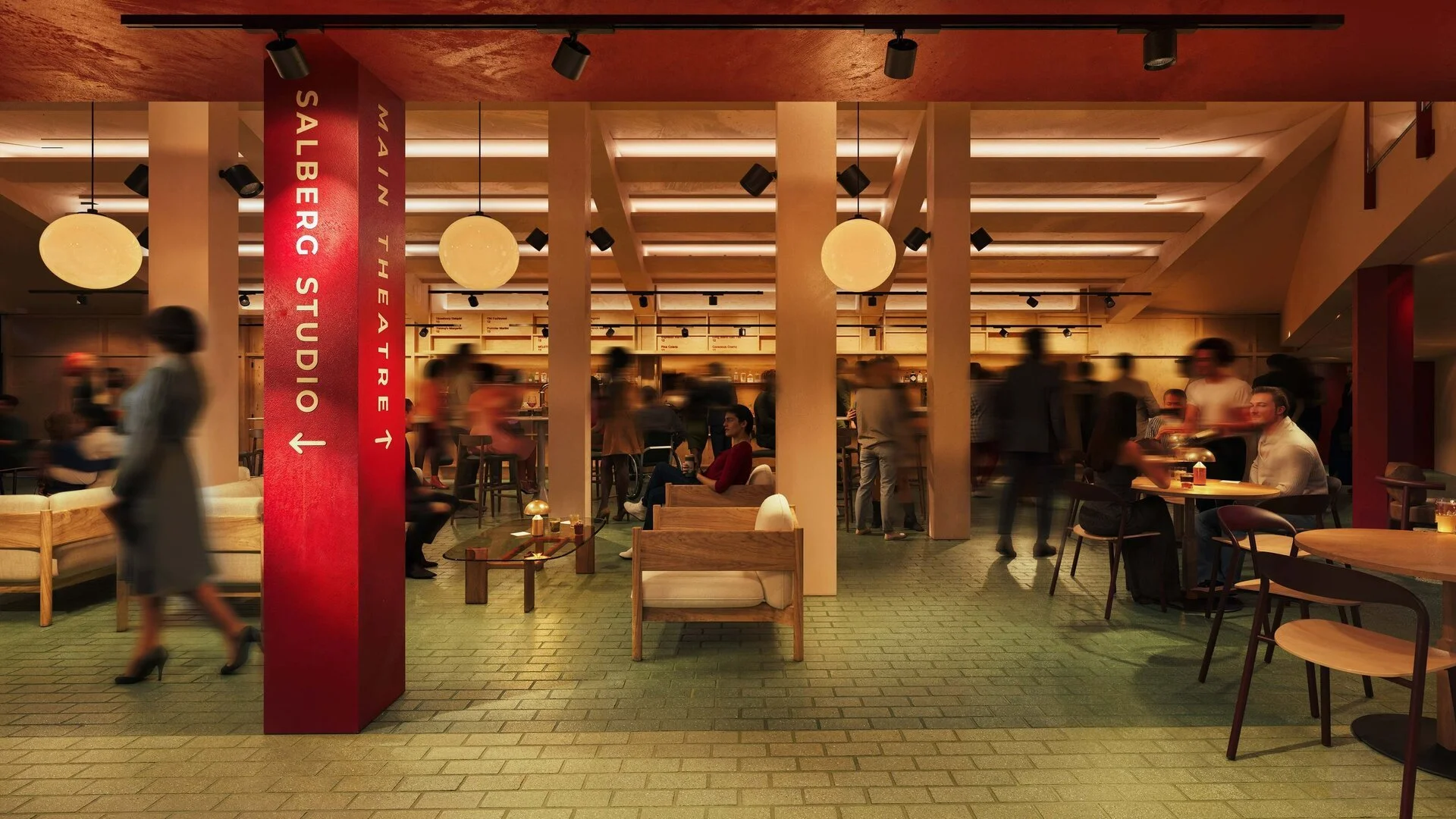
The building is in urgent need of renewal. Without investment, the Playhouse faces a future where ageing infrastructure, failing equipment and an increasingly uncomfortable environment will threaten its ability to serve audiences, artists and communities. The aim of the redevelopment is to create a venue fit for the 21st century - net zero, fully accessible, and built to welcome everyone. Every part of the building will be fully accessible for artists, staff and audiences, with three new lifts, improved dressing room facilities, and accessible toilets.
This will ensure that the Playhouse remains a cultural hub at the heart of the Southwest – for artists, for audiences and for generations. The aim is to complete the transformation in the next three years with the main work in 2028.
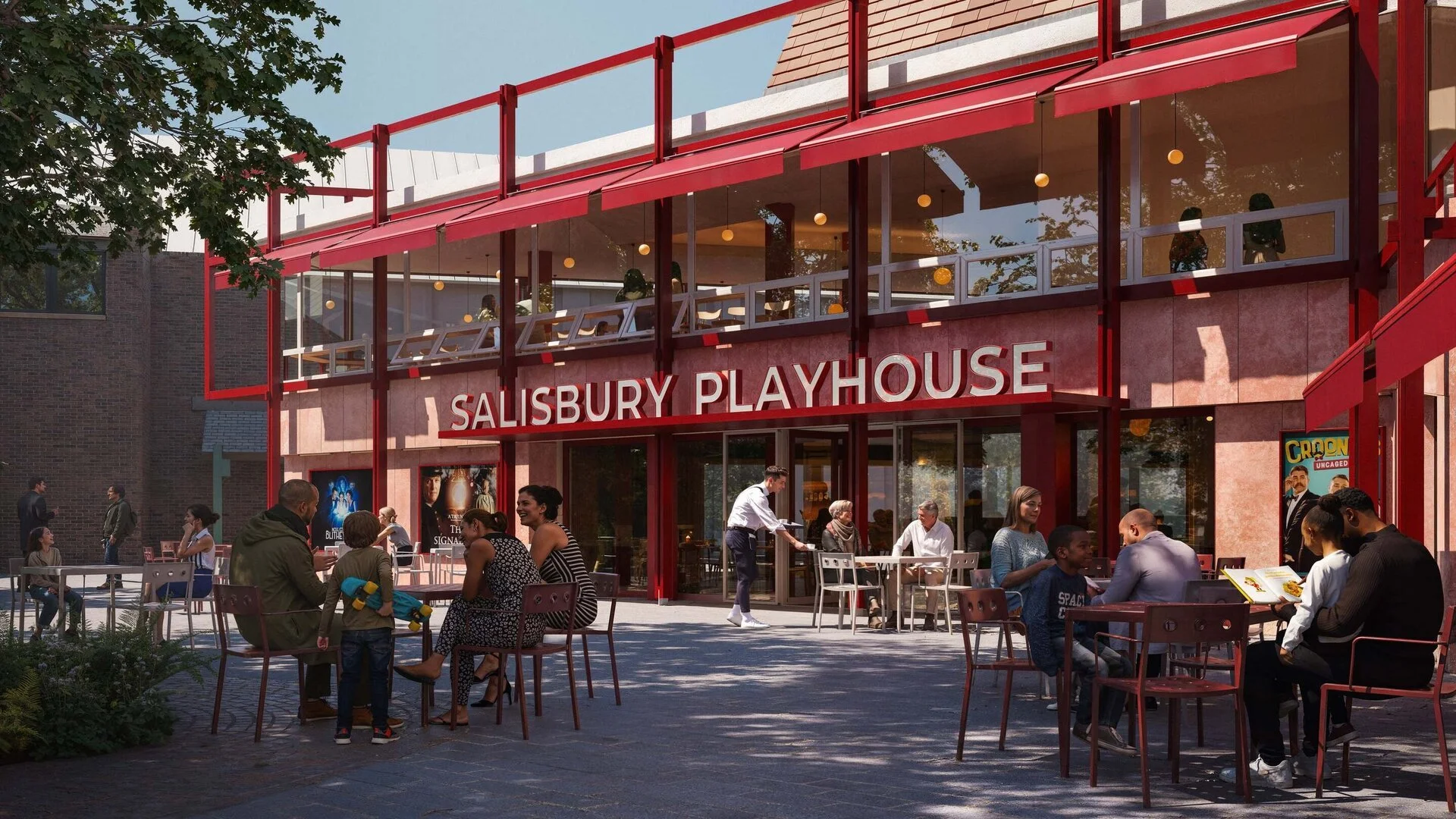
A new piazza at the front of the Playhouse will provide outdoor space for locals and visitors, giving them the opportunity to enjoy the venue’s bar and café offering throughout the day, not just at curtain up.
Gareth Machin highlighted three themes that the Playhouse seeks to serve and needs to be equipped to deliver.
a) A provocative civic gathering place generating pride in the city
Every year, the Playhouse touches the lives of over 200,000 people through performances, creative learning and community engagement. Over the past three years, the Playhouse generated an estimated £40 million of economic impact for the region, with 40% of visitors travelling more than 90 minutes to attend, filling local hotels, restaurants and businesses.
b) A place for telling stories with bold creative voices
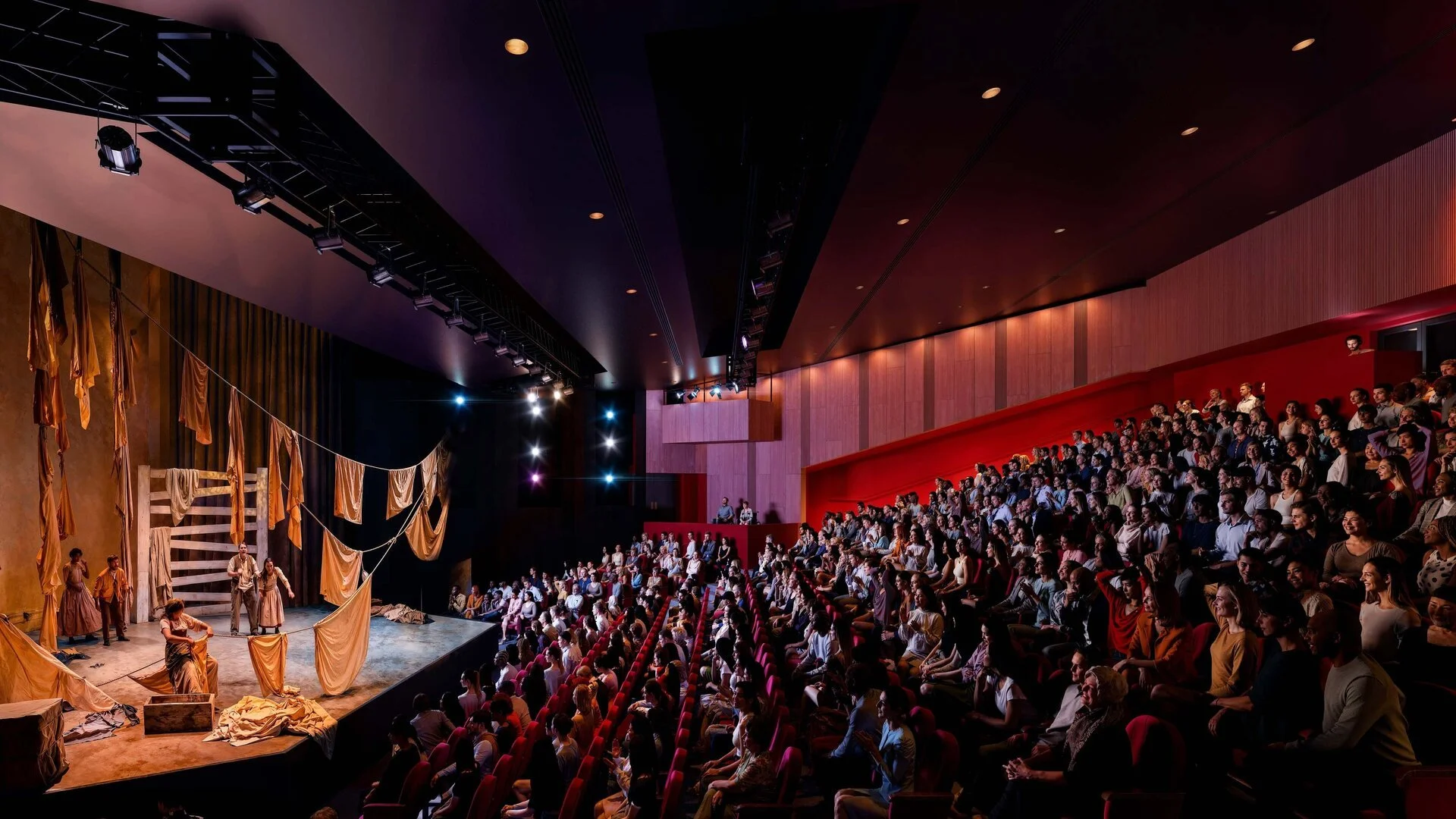
Over 350 performances, events and community projects take place every year and the Playhouse brings communities together and sits at the very heart of Salisbury. The pantomime alone sells over 26,000 tickets.
Salisbury Playhouse is part of the backbone of British theatre. The talent, productions and ideas that originate here ripple outwards across the UK industry. Regional professional producing theatres like Salisbury Playhouse are where the UK's theatre industry trains its people, takes its risks and finds its future. The Playhouse supports around 350 jobs and sustains a wider ecosystem of local creative talent, suppliers and businesses.
c) A role in the entertainment ecology supporting the next generation of talent
Each year, the Take Part programme, a community and education programme run by the Playhouse, reaches over 15,000 young people, people from lower socioeconomic backgrounds, those with SEND needs, older people and those experiencing loneliness, breaking down barriers and opening doors to creative experience.
The Playhouse has long been a launchpad for exceptional talent. Stage '65, the Playhouse's youth theatre, counts writer Barney Norris, director Alice Hamilton and actor David Oakes among its alumni.
The Playhouse has welcomed a wealth of talent to its stage including Ewan McGregor, Ian McDiarmid, Alex Jennings, Henry Goodman, Ruby Wax, Rupert Everett, Timothy West, Prunella Scales, Claire Sweeney, Hermione Norris, David Olusoga and Pete Postlethwaite.
Many notable directors have worked at the Playhouse, including Jonathan Church, Rupert Goold, Michael Grandage, Melly Still, Adam Penford and Blanche McIntyre. The Playhouse has hosted work by leading writers including Howard Brenton, Timberlake Wertenbaker and Chris Chibnall.
These themes will be echoed across the country with so many regional theatres needing investments to make them more financially and eco-sustainable and they require our support as advocate for their work, ticket buyers, and potentially small donors to the fund-raising efforts. Salisbury has a very good case, but we urge you all Besties, to do what you can to support your local theatre and provide access to the next generation of theatregoers.
Nick Wayne