
Preview: YOUNG PLAYWRIGHT’S AWARD 2026, Royal Court Theatre
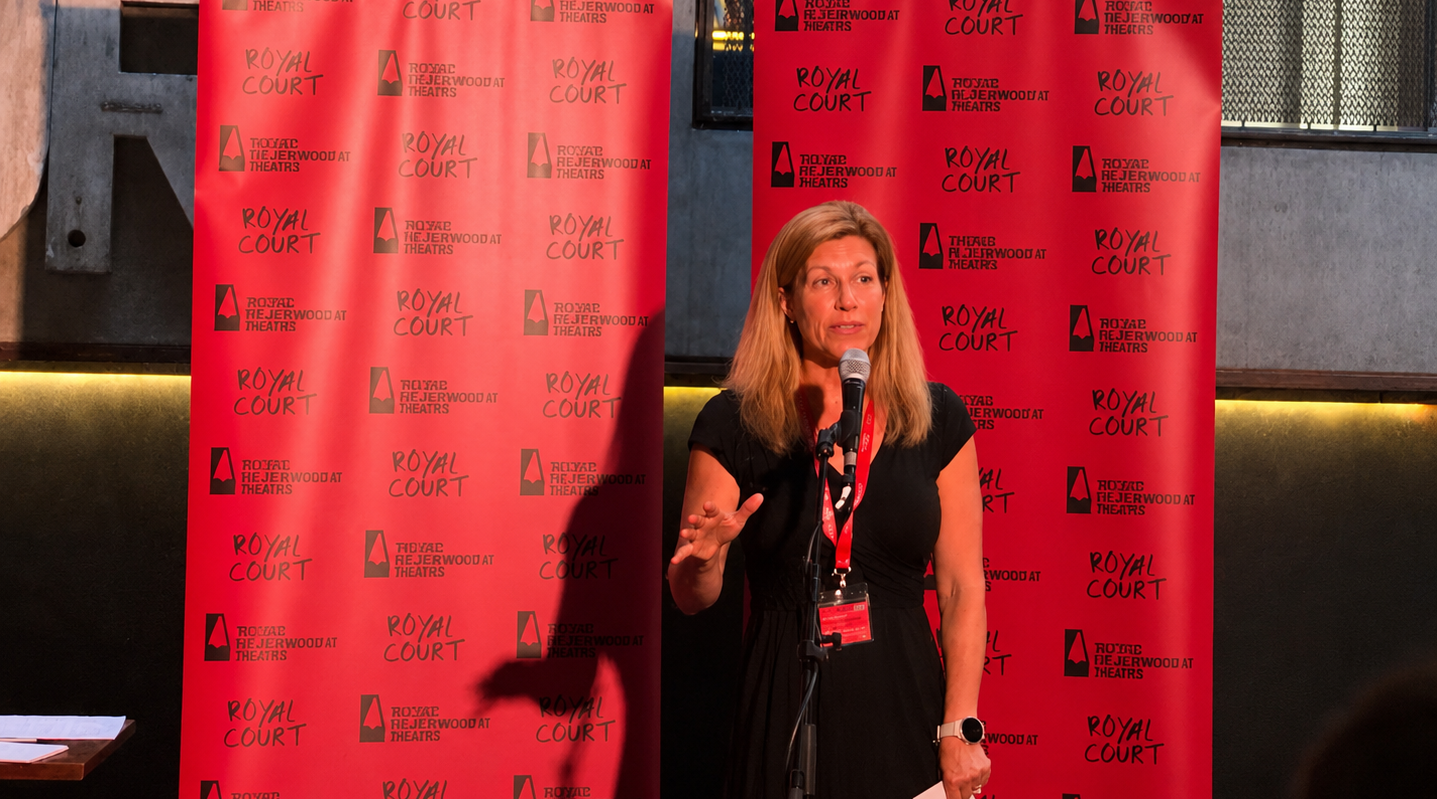
Photo credit: Nick Wayne
This is the second year of the Royal Court’s Young Playwrights competition and this year, they attracted 261 entries to be judged in two age groups of 13-15 and 16-18, with six shortlisted in the first age group and nine in the second, and three winners in each age group published and staged in the Festival of Plays in The Jerwood Theatre Upstairs Studio at the Royal Court on the edge of Sloane Square, London.
Beth Flintoff, associate playwright at the Royal Court, led the judging and presented the Awards. She noted in the programme that it is possible for children “to go through the whole of their education without writing a single line of drama” and that is what the competition is designed to change.
Will Young, the Royal Court Executive Director, explained the process with The Royal Court delivering schools workshops on playwriting around the country to encourage young people to write and showing that it “could be for everyone”. The workshops and competition have been financed by the Dominic Webber Trust, whose objectives are the promotion of the performing arts. He explained that the plays showed a different perspective on the world but crucially usually showed both sides of an argument. The third year of the competition will commence in September 2026.
The festival saw professional actors with scripts in hand presenting the winner’s works to audiences of around one hundred in two sessions of three plays, after around three hours of blocking and rehearsal with minimal props and some appropriate costumes that really showcase the potential of the selected works. Directors Mayaan Haputantri and Danielle Kassarate both do a remarkable job with the team of actors in staging the scripts and the authors we spoke to seemed very pleased at how their plays were staged.
First up was You’ll Live by Rufus Peaty, a beautifully written exploration of the relationship between two girls, Abbie and Amira, their mothers and nan. Full of delightful comic touches and a strange ethereal undercurrent, the cast brilliantly bring Rufus’ work to life. Abbie has bought a dress from Vinted for £5.39 for the school prom but it seems to have a ghostly aura about it, and she is desperate to be asked by someone to go to the prom with.
Next was Fruit by Lucy Edda Leggatt, set in the seventeenth century with interesting old English touches in the writing giving it an authenticity. It portrays an intriguing situation of a young girl Elizabeth who has visions of Eve in the garden of Eden, deciding to starve herself after the priest sets her “a days fast “ as a penance. A link is made with modern day as two detectorists scan the ground and find a spoon that Elizabeth’s father James has used to urge her to break the fast. More could have been made of this modern-day linkage in a longer version of the play, with the parallel stories as in Stoppard’s Arcadia.
A Shadow on the Ocean by Lucy Varley had shades of The Life of Pi in its set up with Ismail and Albi alone in an inflatable lifeboat after two days at sea. It develops a compelling tension in the situation as the two bicker and share crackers and tea. There is a lovely simile about a string attached to your chest that tugs at you as a description of the love between two persons which becomes all the more poignant with a lovely reveal at the end.
Interestingly, these three charming plays by the younger age group all centre on young people, touching on isolation and grief but with a gentle spiritual connection that is delightfully engaging and thoughtful. The older age group winners have a harder edge with adolescent themes of parental relationships and sexual awakening.
Bus Stop of Strangers by Thomas Mossman exploreS the tensions between teenager Kenneth and his estranged father Chris as they meet at a bus stop. Chris is desperately “trying to be your Dad” but his aggressive demeanour and pent-up anger is a barrier to their relationship flourishing leaving them as strangers.
You Can’t Say That by Dhanni Singh exploreS a familiar theme of the generation gap between a Mum and her daughter, where woke political correction in the young generation constantly leads to tension as they correct the older generation for the use of phrases no longer deemed acceptable. But it is more upbeat showing how communications and understanding can build relationships.
Build a Boyfriend (please don’t leave) by Lucy Nicholas is set in a school where May is hiding something or someone in her locker while her three friendS Lottie, Barb and Aliyah are exploring their feelings about sexuality and friendship together. It is an intriguing set up leaving the audience to decide about the boy in the locker.
This is a great initiative, encouraging new writing and young people’s engagement in theatre and the workshops are a valuable part of the process to help create these new submissions. The passion of the young writers, the pride of parents watching on and the commitment and creativity of all involved in the process is to be admired and applauded. We hope that these young writers will continue to develop and that in future years, we might see a full length play from them in the West End.
Nick Wayne