
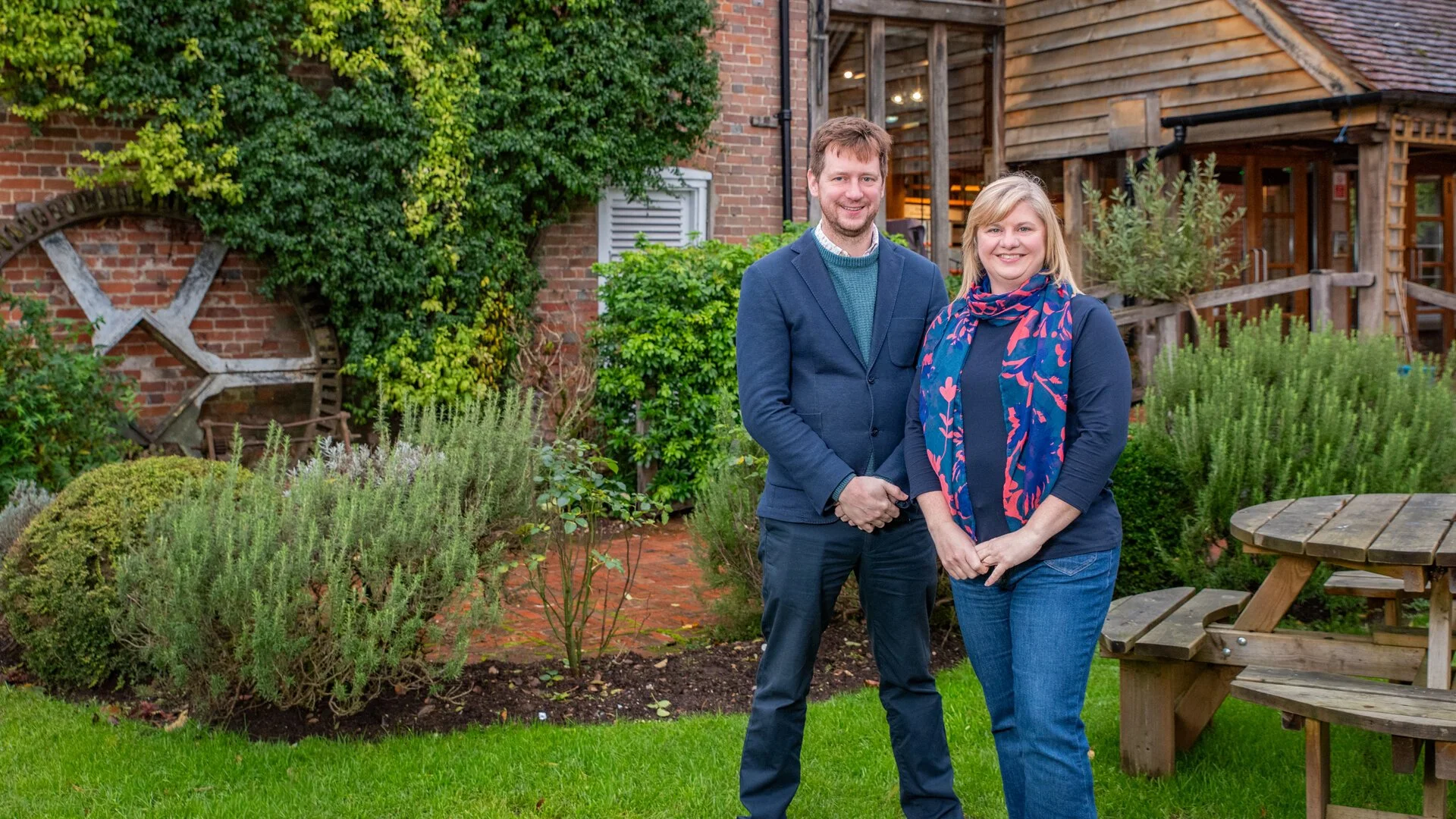
Photo credit: Jamie Ledwith
The Watermill Theatre is situated by the River Lambourn in the village of Bagnor, two miles west of Newbury in a converted mill (there is a mention in the Doomsday book of a mill there). In 2022, it lost its Arts Council funding as a National Portfolio Organisation but with the support of Trusts, Foundations and the Local Community who value its contribution to the UK arts scene, it has responded magnificently enhancing its reputation as a major UK producing house despite its size. In 2027, it will celebrate its 60th anniversary as a professional producing house with a brilliant season that reflects its history and heritage.
The first performances at the Watermill were in fact in September 1965, when the Berkshire Shakespeare Players performed The Taming of the Shrew to a house capacity of just 115 seats, but it was two years later when Peter Webster persuaded the owners (David and Judy Gollins) to let him run the first professional season. In 1968, they secured planning permission to increase capacity to 170 seats, added the foyer, secured a licence to operate for four months of the year, and added facilities to support the venue for the start of the 1972 season. In October 1981, James Sargant and Jill Fraser (who became Artistic Director in 1982 and died in February 2006) opened The Gingerbread Man by David Wood, directed by Wendy Toye, creating the tradition of a Family Christmas show that continues today. In those early years, the theatre only ran for twenty-three weeks a year.
Their 1982 production of This Thing Called Love by Alec Grahame, David Kernan and John Moffat transferred to the Duchess Theatre in London, followed by their1983 production of Snoopy. Their 1984 production of The Merchant of Venice was their first major overseas tour to India and Pakistan with Celia Imrie. In 1985, they staged the premiere of William Smethurst’s The Archers as an immersive promenade performance which started in the theatre, spilled on to the front lawn and then up the lane to a nearby barn starting a tradition that continues today of using the grounds as part of the narrative telling. The first production of the Watermill Youth Theatre was Bugsy Malone in 1987. Their UK regional touring started in 1994 with two productions of Anastasia by Royce Ryton and Rosmersholm by Henrick Ibsen. In 1998, they staged Cabaret, directed by John Doyle, as an actor-musician production.
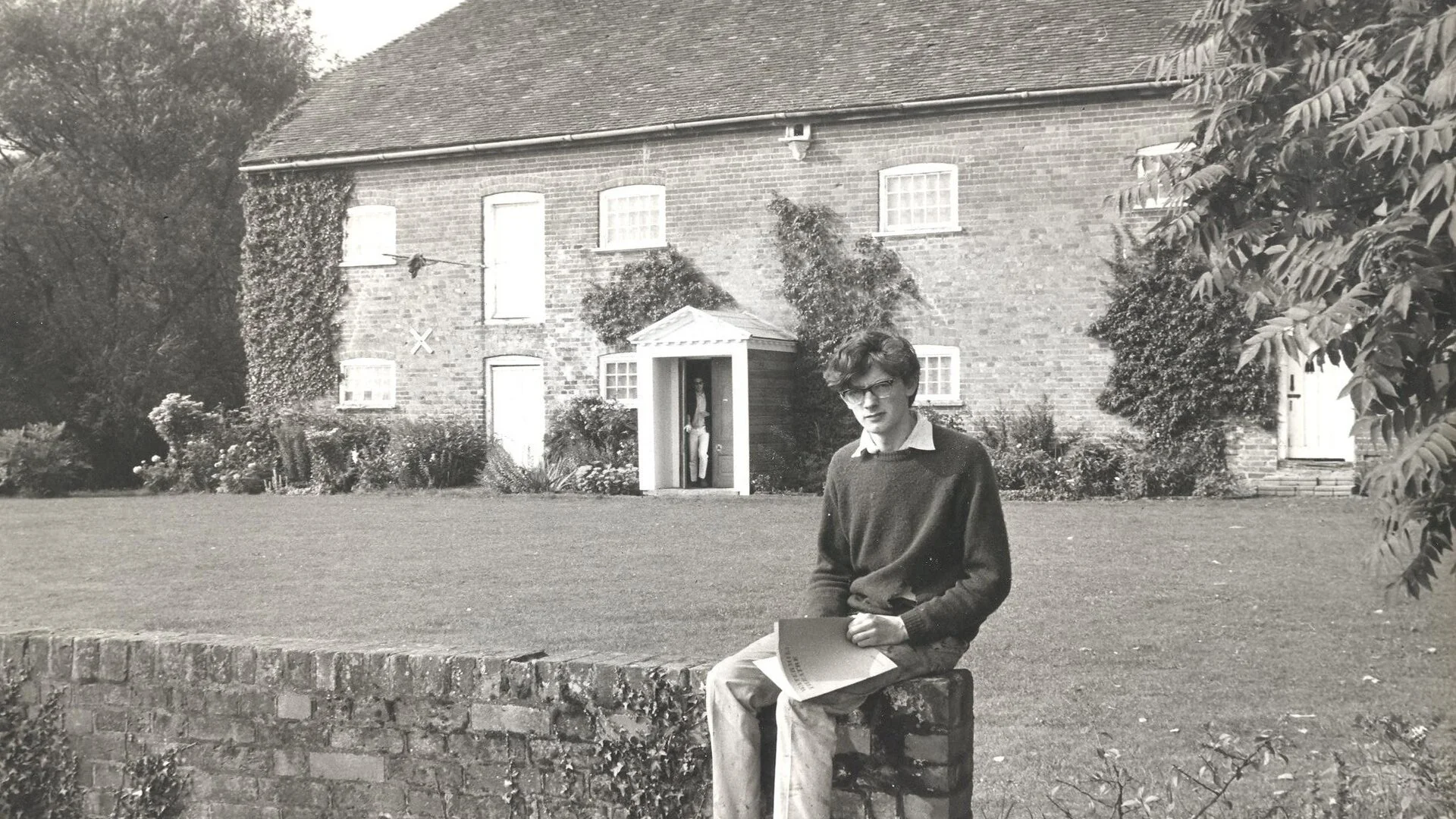
David Gollins (Photo credit: Chris Ware)
Those firsts have become part of the traditions of the Watermill Theatre, and the legacy of Jill Fraser’s tenure and passion as Artistic Director has been nurtured and protected by those who followed her. In 2005, the theatre was transferred to a Charitable Trust and in 2007, Hedda Beeby became its first Artistic Director, followed by Paul Hart in 2015, married to Charley Sargeant (Jill’s daughter) who was born in January 1985 and brought up at the theatre. That sense of extended family continues with the cast of productions living on site, eating together and swimming in the river on hot summer afternoons. It is what makes the venue unique, and the quality of its offer earned it The Stage Theatre of the Year in 2024 and 2026. The history of world premieres, Youth Theatre, Shakespearean productions, actor-musicianship, outdoor experiences and no doubt, UK transfers, is reflected in the 2027 season announcement.
The year begins with the revival of The Wipers Times (29 January 2027 – 6 March) by Ian Hislop and Nick Newman, returning to the stage where it first began life in 2016. The Wipers Times follows the true story of two WWI British officers who discover a printing press in a bombed-out building in Ypres – or ‘Wipers’, as the soldiers called it. With enemy shells raining down around them, they set about producing a satirical newspaper for the troops: resolutely cheerful, gloriously subversive and packed with jokes, spoofs and sketches designed to lift the spirits of the men on the frontline. It celebrates the Watermill’s tradition of premiering Ian Hislop and Nick Newman’s works that include A Bunch of Amateurs (2014), Trial By Laughter (2018), Spike (2023), and The Autobiography of a Cad (2025).
The Youth Ensemble will stage a fresh new adaptation of A Midsummer Night’s Dream (11-13 March), maintaining the tradition of classic Shakespeare productions and bringing together their style of bold, inventive storytelling with an infusion of music that promises to make a little mayhem along the way.
It is followed by a story set near the theatre with Jez Butterworth's multi award-winning Jerusalem (19 March – 24 April), last seen there in 2018. It’s St George’s Day. The Flintock Fair is in town, and Johnny ‘Rooster’ Byron has until dusk to leave the woodland clearing that he calls home. Hounded by the council, pursued by old enemies and surrounded by a loyal band of misfits, the larger-than-life Rooster refuses to go quietly. It is a barnstorming role made famous by Mark Rylance in the West End and Jasper Britten at the Watermill.
The unique joy of seeing live performance in the grounds of the theatre is celebrated with the bold idea of staging Way Upstream by Alan Ayckbourn on the back lawn by the river in spring 2027. Directed by Katie Posner, the production will transform the surrounding landscape into the world of Ayckbourn’s darkly comic, politically hot play, bringing audiences closer than ever to the elements at the heart of the show.
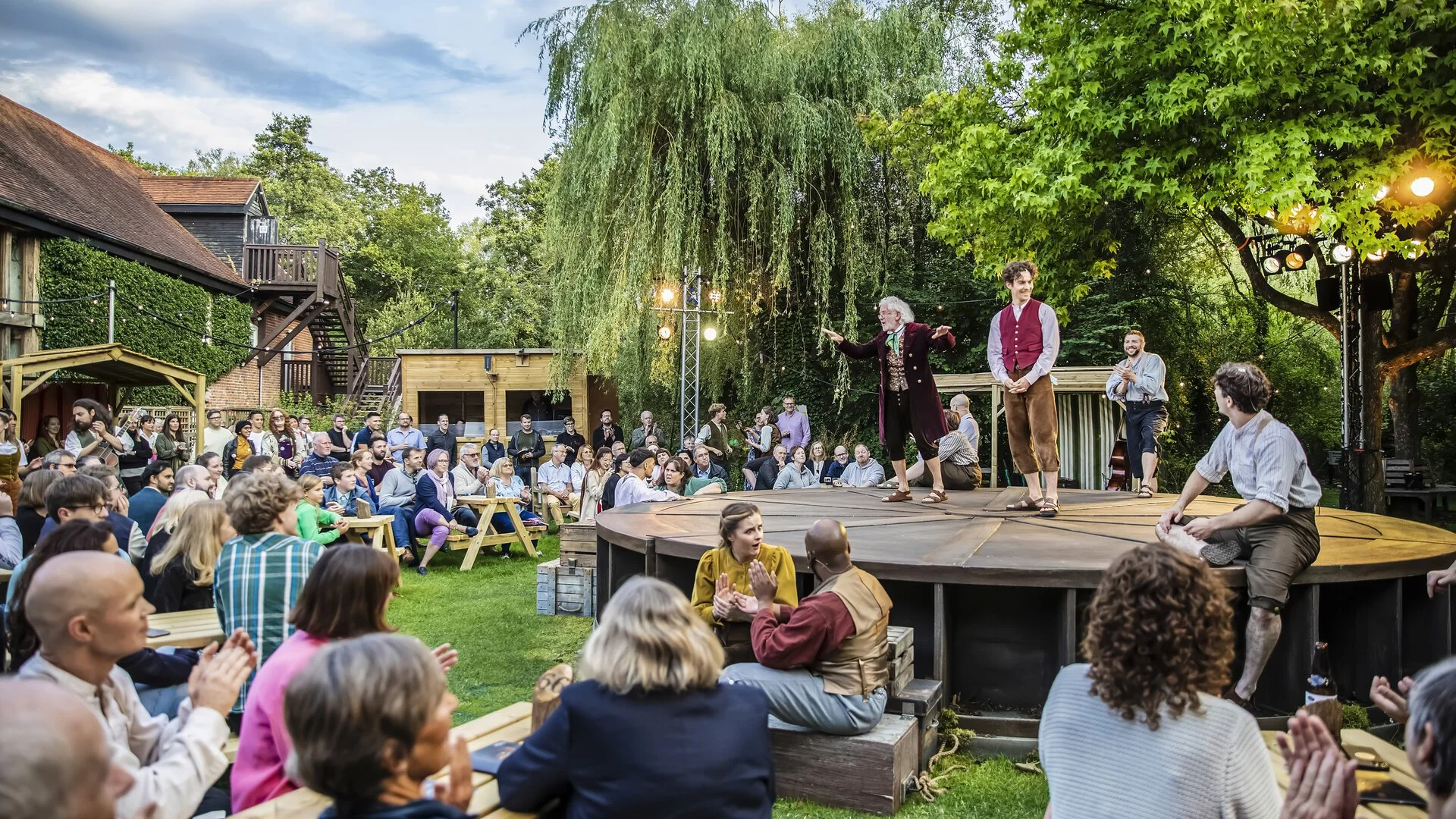
Photo credit: Pamela Raith
After the phenomenal success of their summer musicals Lord of the Rings (2023), Barnum (2024), Jesus Christ Superstar (2025) and Chitty Chitty Bang Bang (2026), they delve further back into the musical history catalogue next summer with Carousel by Rodgers and Hammerstein. This new production will reinvigorate this beloved musical, offering a dynamic new version, with music and dance in the traditional actor-musician style the Watermill is famous for.
As autumn arrives, they astonishingly tackle the premiere adaption of Enigma, Robert Harris' bestselling novel adapted by award-winning dramatist Mike Poulton, directed by Paul Hart, and co-commissioned with Chichester Festival Theatre. The Bletchley Park-set thriller follows the story of codebreaker Tom Jericho attempting to crack the case of the missing Claire Romilly, taking him deep into a web of espionage and betrayal. It is only the second time Harris has allowed an adaption to be staged, the first was RSC’s Imperium in 2018.
During the festive season, another tradition is celebrated with some perfect family Christmas entertainment set in the magical world of Michael Morpurgo’s Beauty and the Beast. Filled with original folk-inspired songs, magical puppetry and the timeless wonder of a classic fairy tale, this brand-new Watermill musical celebrates kindness, courage and the power of letting love grow.
This is an extraordinary line-up of shows undertaken without Arts Council Funding but is dependent on the support of the community of ticket buyers, Friends, businesses, and Trusts and Foundations who recognise the quality that this small intimate venue creates. They are offering people the chance to get closer to this programme and the cast and creatives that will be producing it by joining the Anniversary Circle. It will offer opportunities for donors to engage with the programme throughout the year, with insights into the process of creating the work, including opportunities to hear from creatives and artists directly. Individual membership of the anniversary circle is by a one-off donation of £1,967 (a monthly payment option is also available). This is a unique opportunity to celebrate the legacy of Jill Fraser, to enjoy the insight on how that is being nurtured and developed and support the reputation of this theatrical powerhouse as it looks to the next sixty years.
If you have been to the Watermill before, you will know what a delightful experience it offers and if you haven’t, we urge you to give at least one of the 2027 productions a try and discover why, for sixty years, it has been making a name for itself beyond the local Berkshire community.
Nick Wayne