
Review: BBC PROMS: EVELYN GLENNIE & THE FANTASIA ORCHESTRA, Royal Albert Hall
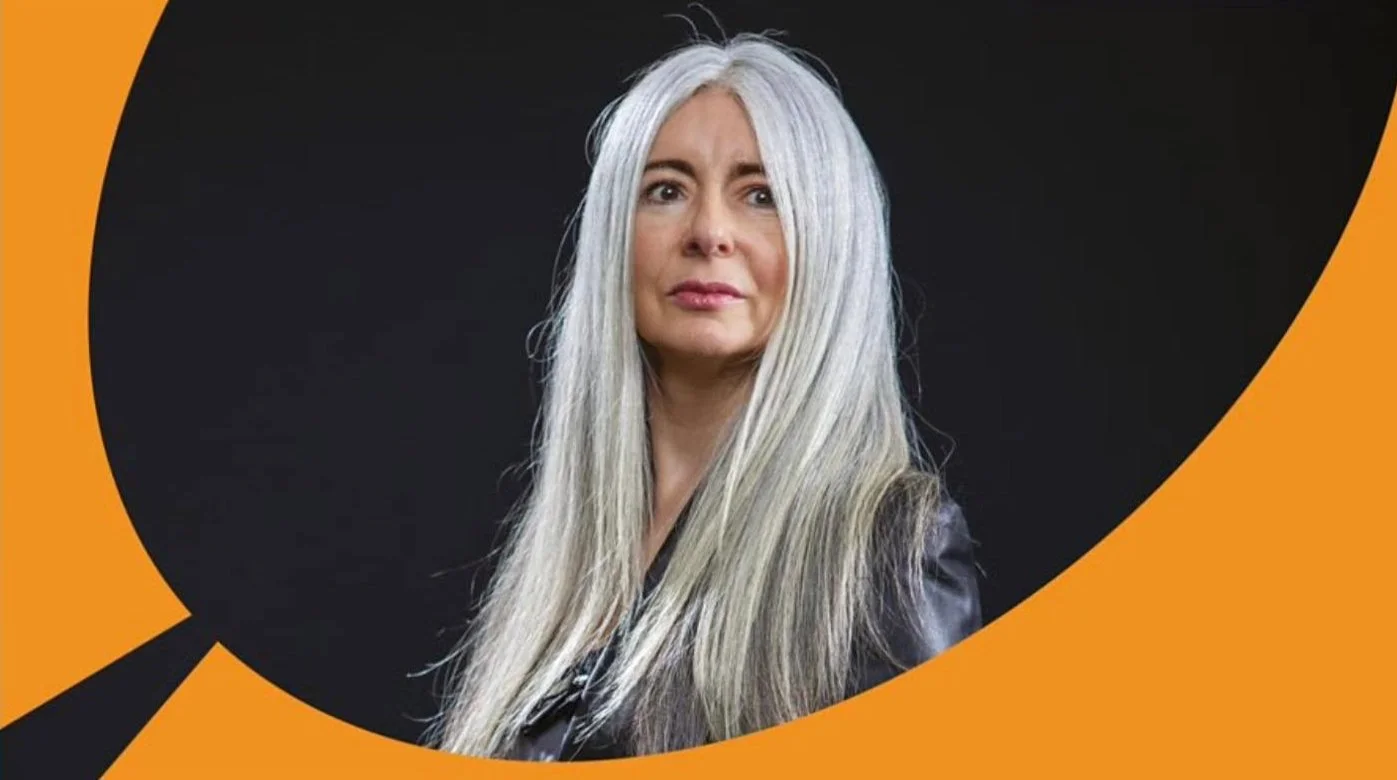
Evelyn Glennie and the Fantasia Orchestra, joined by the BBC Singers, put together a programme that moved through jazz, contemporary classical music, choral music, percussion, pop and more traditional orchestral repertoire. It was certainly not a predictable evening of music, and while some pieces landed better than others, the variety was part of what made the concert so interesting.
Within the stunning setting of the Royal Albert Hall, the evening got off to a strong start. John Coltrane’s Welcome, arranged by Harry Baker, made for a magical opening, with the orchestra creating an immediate atmosphere. This flowed into Duke Ellington’s It Don’t Mean a Thing, also arranged by Baker, which brought in the BBC Singers for the first time. They sounded fantastic, and the transition between the two pieces worked really well. It felt like the concert had found its rhythm immediately.
From there, things became rather more experimental. Héloïse Werner’s The Wood Pigeon was probably the piece that was hardest to connect with. It began almost like a rehearsal within the concert, with the orchestra and conductor seemingly acting out a rehearsal while pre-recorded, robotic-sounding instructions guided them through it, by Werner. Although it was unusual and an interesting idea, the opening did seem to go on for a little too long before eventually arriving at the piece. It was an intriguing idea, but perhaps one that was not so easy to grip.
Vincent Ho’s Sandman’s Castle excerpt, the first solo percussion feature, was another piece that was admirable for its technical achievement, but may have been harder for those less familiar with percussion music to appreciate. Evelyn Glennie made the percussion look effortless, but the piece itself felt slightly elusive.
Morton Feldman’s Rothko Chapel was a very different experience. The sustained, humming quality of the music created a strange and atmospheric moment. This was followed by Caroline Shaw’s Partita for Eight Voices, which gave the BBC Singers another major role. Their use of different vocal techniques was striking, producing sounds that felt almost instrumental.
At this point, it was quite welcoming to return to more traditional orchestral pieces with the finale of Dvořák’s Czech Suite. It felt like a great wave of orchestral sound, with the Fantasia Orchestra coming together brilliantly. Ralph Vaughan Williams’ Serenade to Music followed, and this was probably one the highlights. There were some stunning moments, particularly in the vocal writing and solo lines, and it provided a welcome sense of warmth after some of the more abstract pieces in the programme.
Glennie then returned to the spotlight alongside Philip Sheppard for Orologeria aureola. Her percussion playing was fascinating to watch as well as hear. The instrument she used had an almost UFO-like appearance and was remarkably versatile, producing a surprisingly wide range of sounds. It was another reminder that percussion can be much more than simply rhythm and volume.
One of the most unexpected moments came with Radiohead’s Pyramid Song, arranged by Simon Hale. Hearing a piece of contemporary popular music placed within this programme was a great addition and it was interesting hearing how it was transformed into an orchestral and choral setting. A prime example of the Proms' willingness to put very different kinds of music together.
Meredith Monk’s Panda Chant II brought the evening to an unconventional close. The performers, including the orchestra and conductor, stood up and chanted while moving from side to side. It was slightly surreal, but also quite fun to watch, and this demonstrated the wide range of versatile music that the audience were exposed to. Then came the real finale, which was an unlisted encore of Sing, Sing, Sing. This was a brilliant way to finish. The big-band energy immediately lifted the Royal Albert Hall, and after such a varied programme, it was a great opportunity to just enjoy the music. This final piece tied the evening together surprisingly well.
This was a really interesting Prom. Some of the more experimental works may not have landed so smoothly to those less familiar with the technicalities of that work, but it also provided the opportunity to appreciate that the programme wasn't afraid to take risks. A late-night Prom gives the performers more freedom to experiment, and Evelyn Glennie clearly took advantage of that. The evening showcased her versatility as a percussionist, the range of the Fantasia Orchestra and BBC Singers, and just how broad the Proms can be. This concert was curious, varied and wonderfully strange.
Reviewed by: Alexandra Tullah