Interview: Founding member Paule Constable OBE on FREELANCERS MAKE THEATRE WORK
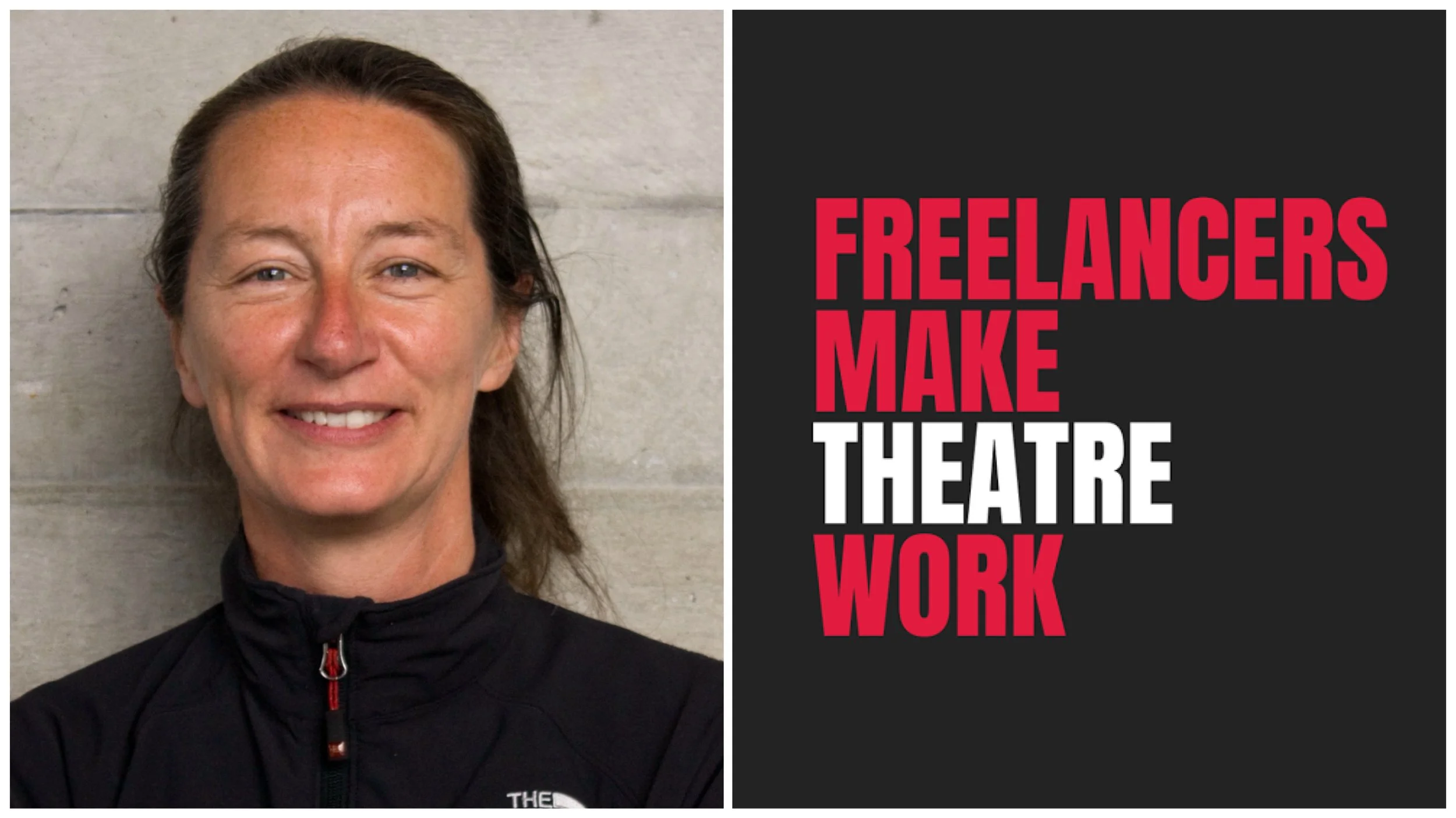
Paule Constable OBE is one of the UK's most celebrated lighting designers, a founding member of Freelancers Make Theatre Work (FMTW) and a long-standing advocate for a more sustainable and equitable theatre industry. Since helping establish FMTW during the COVID-19 pandemic, Paule has played a key role in ensuring the voices of freelancers remain part of conversations shaping the future of the performing arts.
We spoke to Paule about FMTW's relationship with unions and industry bodies, the challenges facing today's freelance workforce, and why meaningful change is needed to protect the people who keep theatre alive.
How does the FMTW campaign relate to Equity, MU, Bectu, SOLT and UK Theatre?
As far as the Unions are concerned, they are restricted in their areas of operation. They represent their specific membership and are chiefly present to negotiate terms and conditions. With Equity being almost solely focussed on Actors and Stage Managers (with clear exceptions such as fight directors) and BECTU having only had a freelancer branch for a couple of years and having their emphasis very much around broadcast, many don’t see themselves reflected in these unions. Also the relationship with the employers is one of sitting across the table. We have always tried to sit around the same table and as such, really aren’t there to negotiate pay and conditions. I’d also add that I would always encourage freelancers to join a union - there may not be one that exactly represents their needs but it is better than not being part of any agreement, and the unions are as good as we make them. With SOLT and UK Theatre - as with ACE and so many of the sector support bodies - they don’t have an area of focus that expects or encourages them to directly engage with freelancers. As we discovered in the pandemic, no one gathers data about freelancers, no one carries our stories to government, no one actively strategises around the creative workforce – learning about who we are, how we pay tax, how we are treated, what our working lives are like. It was a huge gap that the pandemic painfully exposed. I genuinely wish there were no need for FMTW to have carried on their work but sadly, engaging with freelancers remains at worst forgotten and at best, something it is “nice” to have! The mad thing is that we are 70-80% of the Performing Arts and none of the work on any of our stages would exist without us. We are a closely linked ecosystem but one where the voices of the freelancers are rarely heard or valued.
Which freelancers does FMTW represent?
We don’t “represent” anyone per se – but we try to hold a space where freelancers can share their stories and those stories – that lived experience - can be shared beyond. So any freelancer can get involved, attend a meeting, share their data, respond to posts or the survey. We ask employers, SSOs, the government - to understand the need to hear our stories, to consider our ideas, to respond to our provocations. Considering that our world is about storytelling, we are pretty bad at really hearing each others stories. The structures of power have evolved with freelancers outside of the conversations about their own futures. In the pandemic, this meant a stony silence. That was deeply frightening so we came together to share information, to hear each other and to ask questions and create provocations. Essentially a lot of what we do is banging on doors and responding to the shifting arts landscape from a freelance point of view - and we try to share and explain what is going on in terms that relate to our everyday freelance lives.
Analysis indicates that over 35% of freelancers have been in industry for over 21 years and 15-20% less than 6 years. Is the focus on adding more new entrants and supporting those in their first 5 years?
In the consultation work we did as we were applying for longer term funding, there was a real need amongst younger freelancers for support in an area we’d call Freelancing 101, ie the basic tools that freelancers need. This is a section of the website that is now under development. We are also planning on approaching drama schools to try to encourage them to prepare graduates for the bureaucratic realities of freelancing life before they graduate. How do you ensure a contract says what is needed; what are your rights: how to write an invoice; where do you go for help; how to ask for reasonable adjustments? Defining the terms of our working environments is vital and we have to become better at asking the questions that ensure we all agree how we work and when.
What role should/could apprenticeship offer for entry level workforce? Does this need government to support as we hear apprenticeship opportunities are declining?
The simple answer is yes - we need way more in work opportunities and ways to fund these. The work that the Theatre Artists Fund are piloting is an example, but this needs more support at a government level. ACE are clearly not the body responsible for ensuring we protect and develop the skills and crafts that the performing arts need to deliver the world beating work we aspire to deliver. That is in peril now and needs acknowledging. There is a dangerous sense that we, in the Performing Arts, are a ‘nice to have’ - we are not, we are a major internationally successful British generated industry - one of our biggest and most successful export industries. Respected globally. Generating money and soft power. That needs to be nurtured and supported in a professional and cohesive way.
For more info on Freelances Make Theatre Work, please click here.